Home - Company - News - Come scegliere il tavolo da pranzo: la guida completa
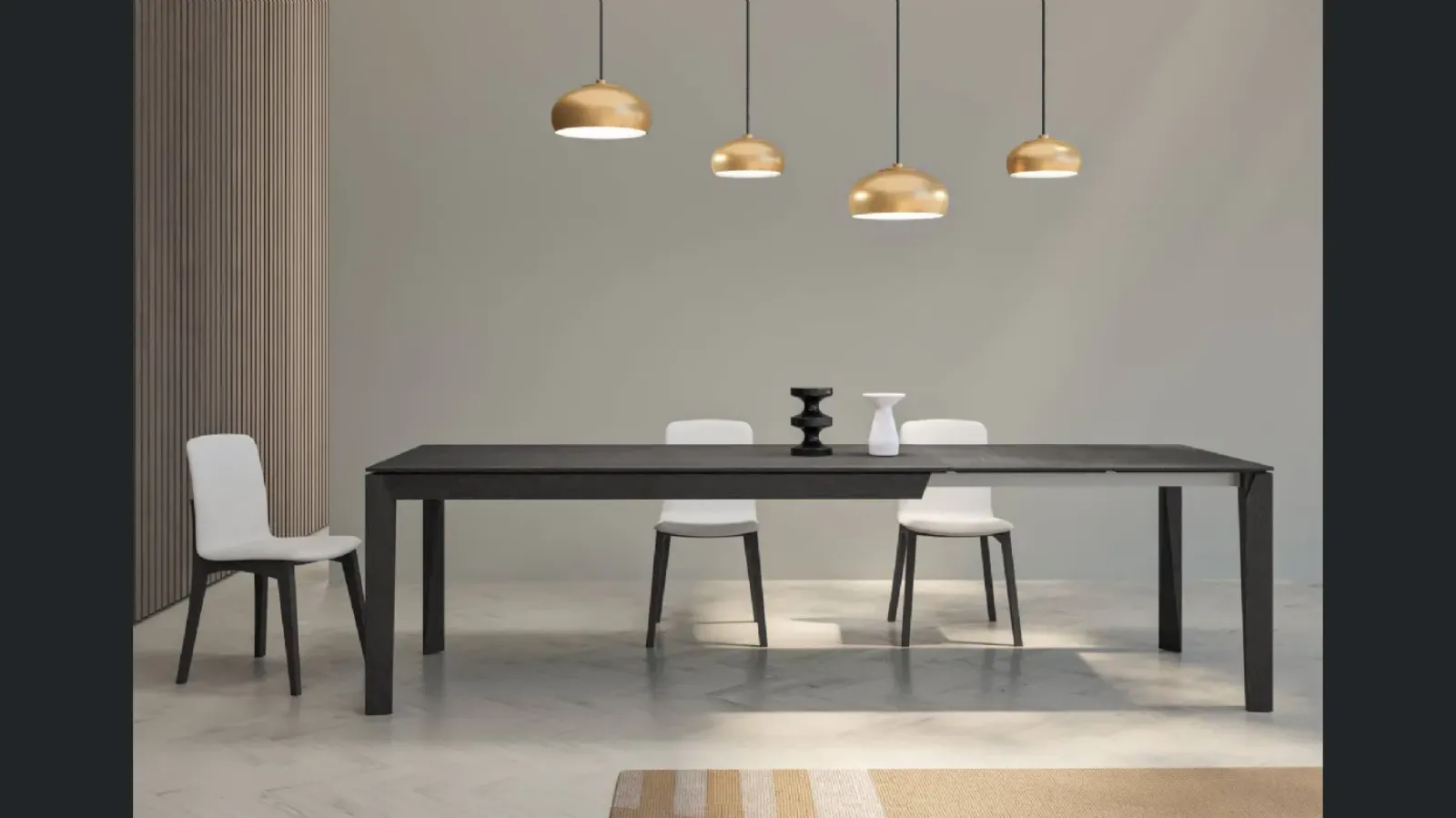
The choice of the perfect dining table is never easy - nor trivial. On the contrary, the dining table is one of the pieces of furniture that most influences daily life. It represents a meeting point, a conversation, but also a workspace. Not to mention, it is where precious family or social moments are shared. That's why the question "how to choose the perfect dining table" is one of the most common, especially when designing or renovating a home. In today's post, we have prepared a guide just for you, rich and 100% complete, which will analyze and take into account every possible element - shapes, sizes, materials, style, pairings, functionality, and so on - to help you in the important choice of a dining table that is not only beautiful, but above all suitable for your space and your way of life.
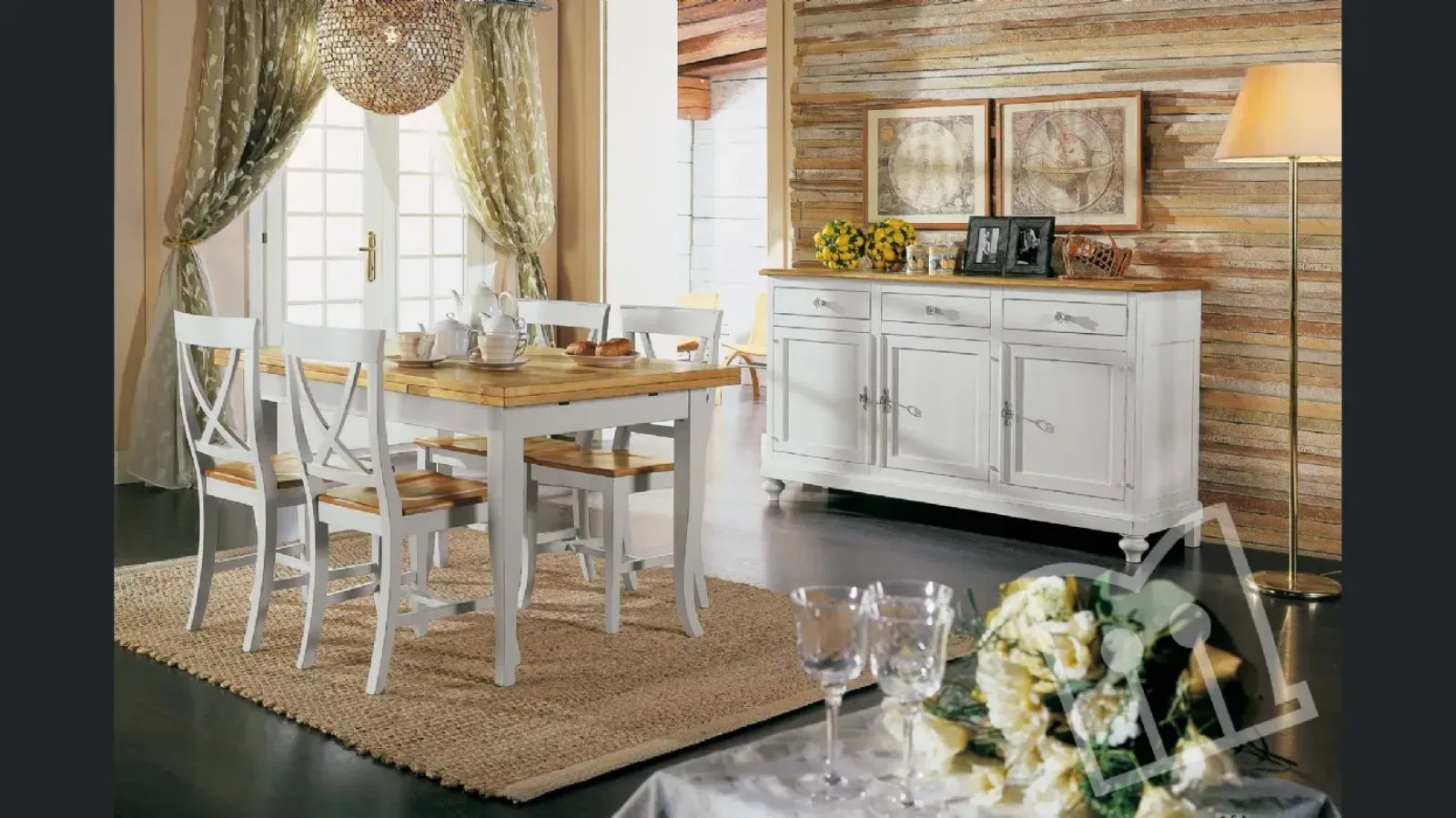
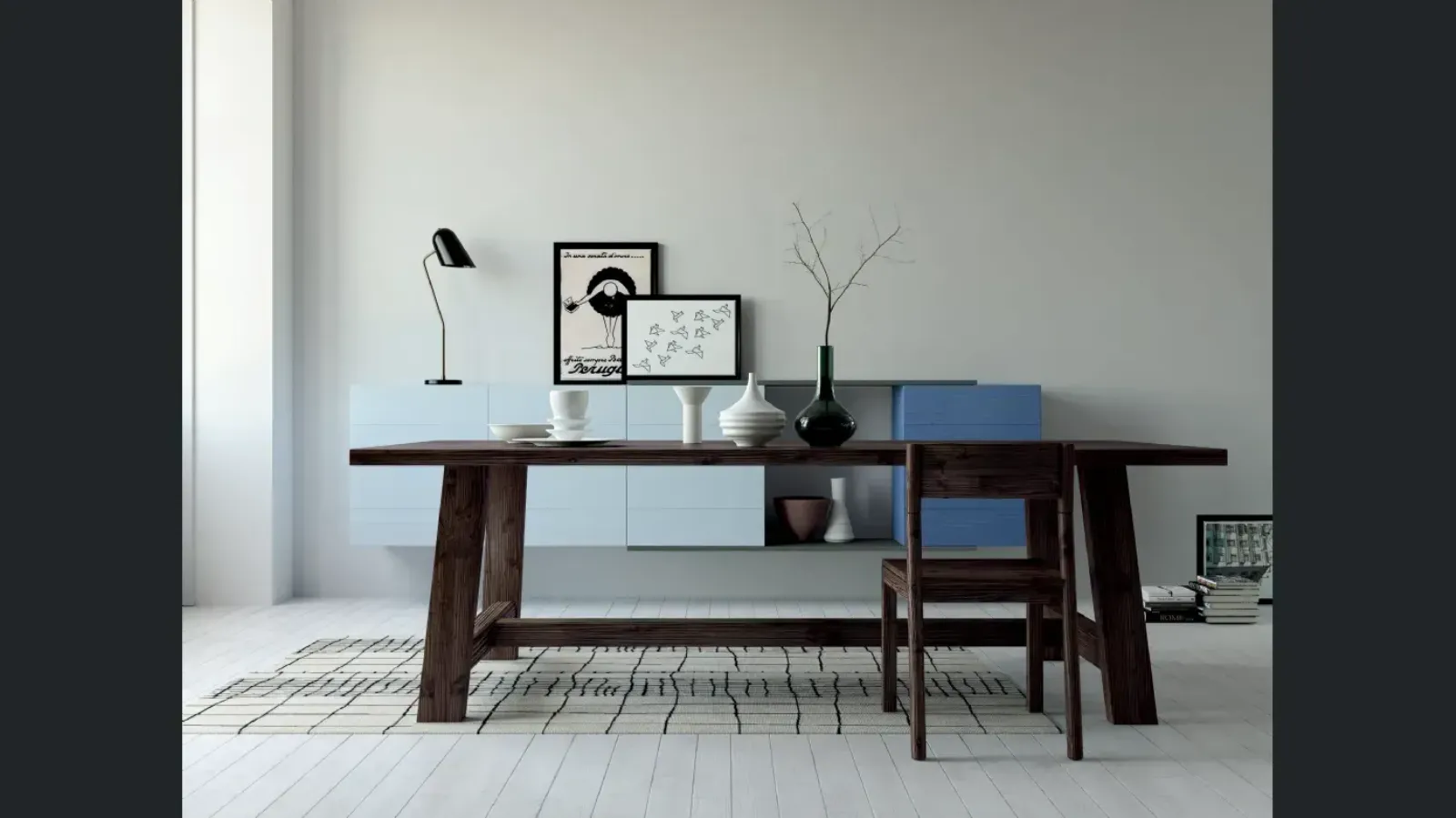
How could we define the table, if not as the heart of the dining room? Sometimes, it even is for the living room. But, in truth, it's not that simple. The dining table consists of a dual identity: on one hand, it represents a functional object, essential for daily life and relational dynamics; on the other hand, it is a design object, capable of characterizing an entire environment and giving it tone and character. In this respect, its mere presence is enough to influence the arrangement of other furniture, the circulation in space and the style of the room itself. Already from these brief premises we can understand how important it is to evaluate with meticulous attention both the aesthetics and the practicality. A beautiful dining table can positively transform the living space, but also ruin it; to avoid this from happening, it is necessary that it meets your actual needs in terms of use, comfort, and capacity. In short, it is necessary that it meets your life needs.
To choose a table that is truly perfect for you, before letting yourself be guided by shapes and materials, focus on your practical needs. For example, ask yourself: how many people usually sit at the table? How much space do you have to move around? Do you use the table just for dining or also for work? Precise answers will already steer you towards some more specific solutions, making it much easier to identify the ideal dining table type. In fact, the secret is always starting from functionality: a beautiful dining table, but not very practical, will soon become a limitation; on the contrary, one chosen with awareness will likely last for decades.
Space is the first parameter to consider very carefully. If you aim to enjoy the dining table, dimensions are not everything: it is just as important, if not fundamental, to leave a comfortable margin of movement around it.
In general, keep in mind that:
between the table and the walls - or other furniture - you should leave at least 90 cm of space, to move the chairs easily;
if the room is small, a valid option could be compact shapes or round solutions, which facilitate movement.
By choosing a table proportional to the space, the environment will be harmonious, but above all liveable and agile.
The standard height of a dining table is about 75 cm. However, this can vary slightly depending on design, model, or type of chair.
Before buying, therefore, check that the distance between the seat and the tabletop is at least 25-30 cm, in order to ensure comfort and freedom of movement for the legs.
Yes, ergonomics isn't something you perceive at first glance, but it makes a huge difference in everyday living.
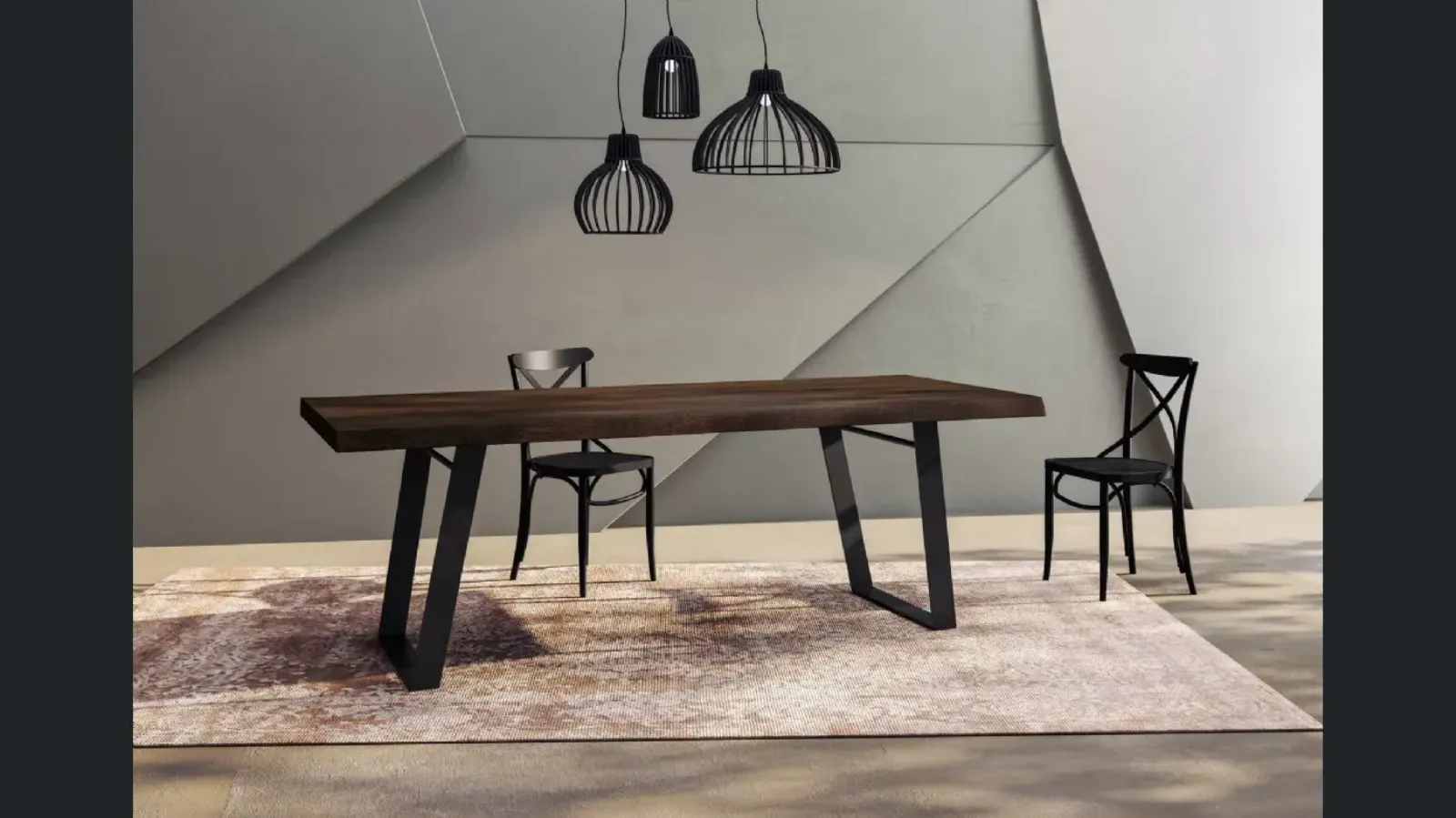
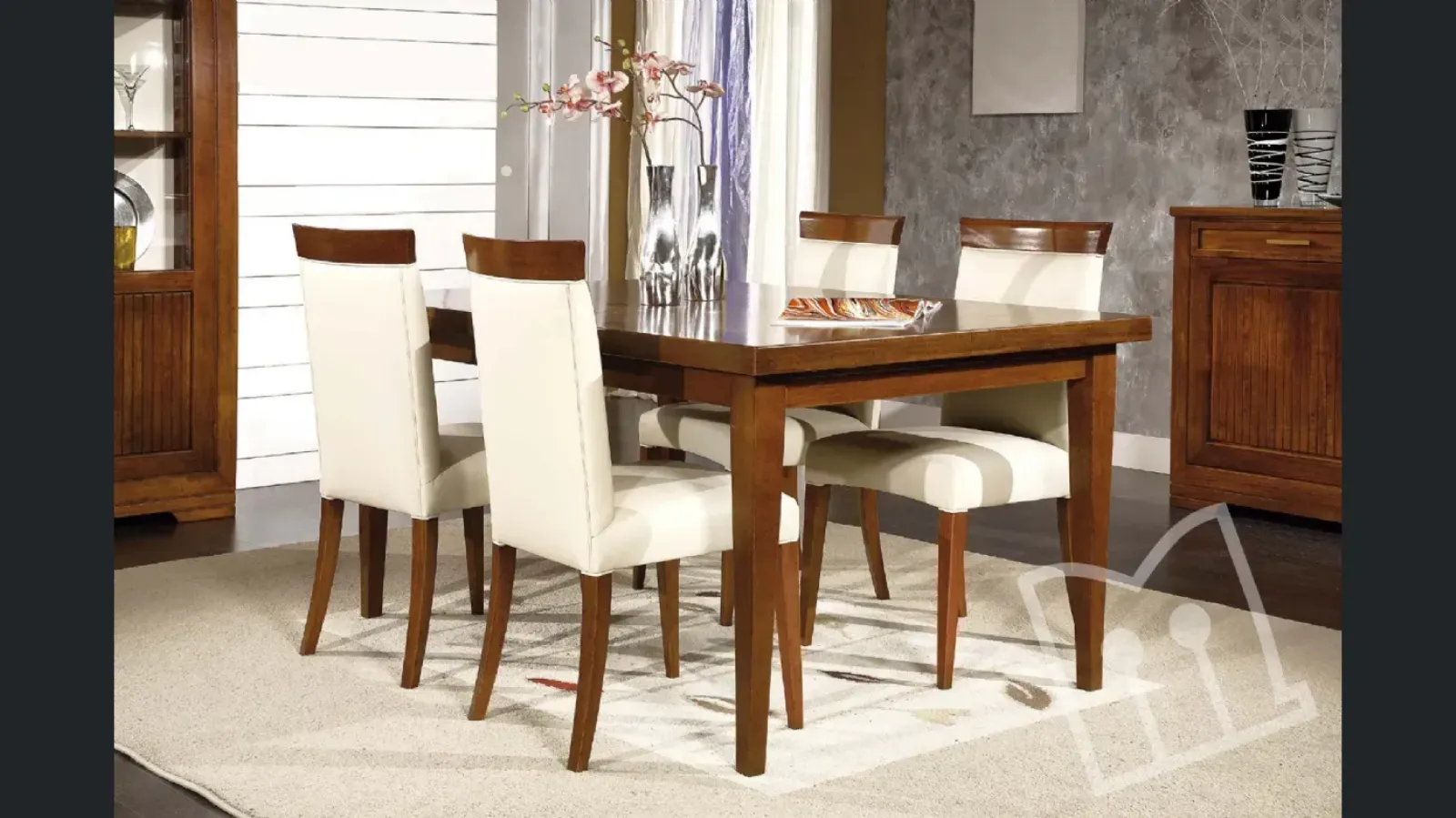
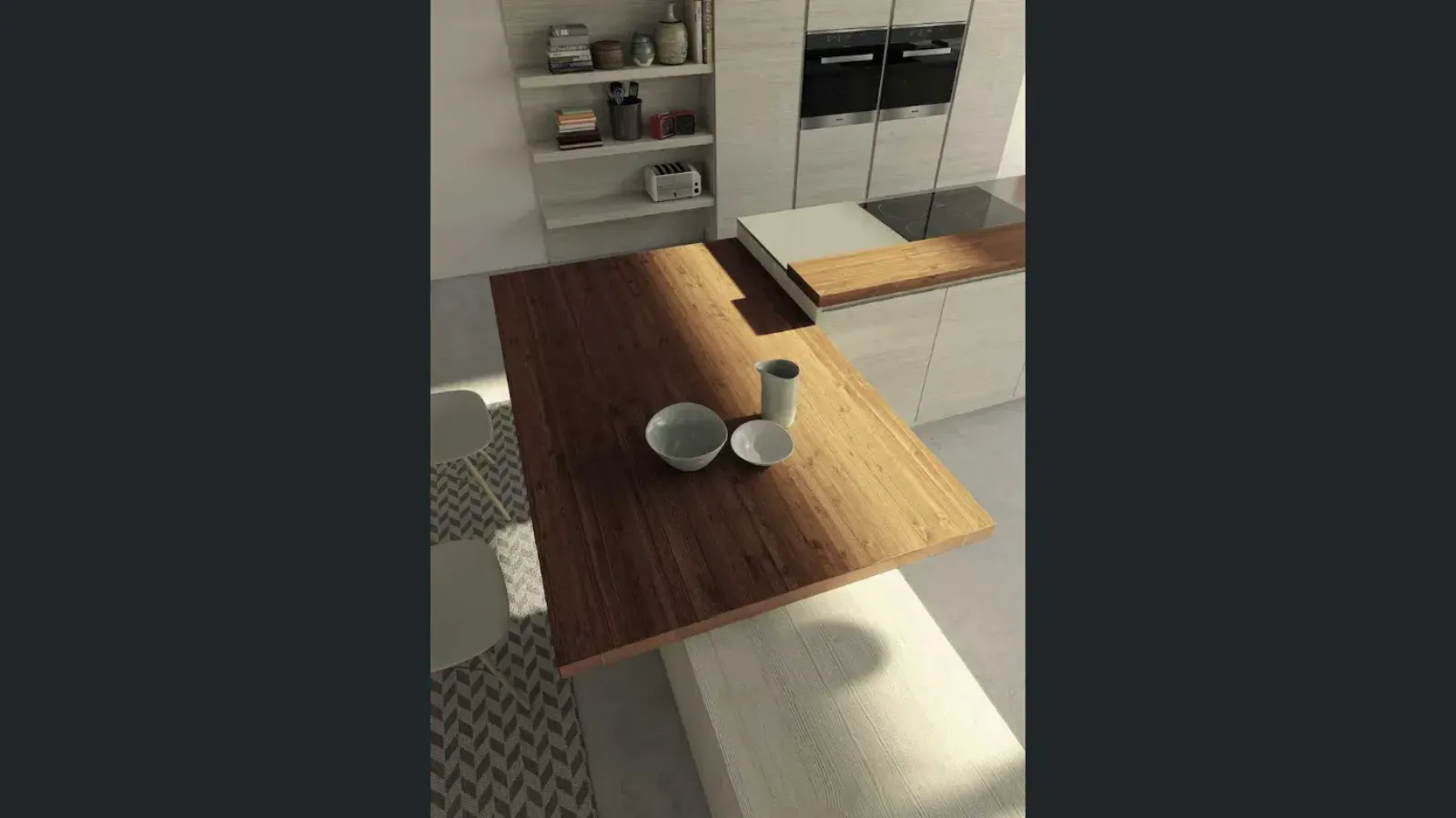
Every shape has specific space requirements. A sphere does not behave like a cube, and in a plan, a rectangle does not behave like a diamond. This is why the measurements of the dining table must adapt to different factors, including the number of people and the overall configuration of your room. Below, we have prepared for you a list of the main characteristics of each type. Enjoy reading! #1. Rectangular dining table The rectangular dining table is undoubtedly the most common and versatile, as well as offering the greatest capacity. Common measurements are: - 160-180 cm, ideal for 6 people - 200-220 cm, ideal for 8 people - 240 cm (or more), ideal for 10-12 people The rectangular table adapts well to long and spacious environments, allowing you to also fully utilize every corner of the room. #2. Round dining table Ideal for square spaces or to create an intimate convivial area, the round dining table reduces the usual bulkiness of sharp edges. Typical measurements are: - 100-120 cm, ideal for 4 people - 130-150 cm, ideal for 6 people - 160-180 cm, ideal for 8 people The circular shape promotes dialogue, closeness, and makes the room generally softer and more welcoming. #3. Square dining table Great for compact spaces, the square dining table is the perfect solution for those who love a symmetrical distribution. The most common measurements are: - 90-90 cm, ideal for 4 people - 150-150 cm, ideal for 8 people (with possible modern extension or wider side) A square table is very intimate and visually balanced; however, to avoid being bulky, it requires precise proportions.
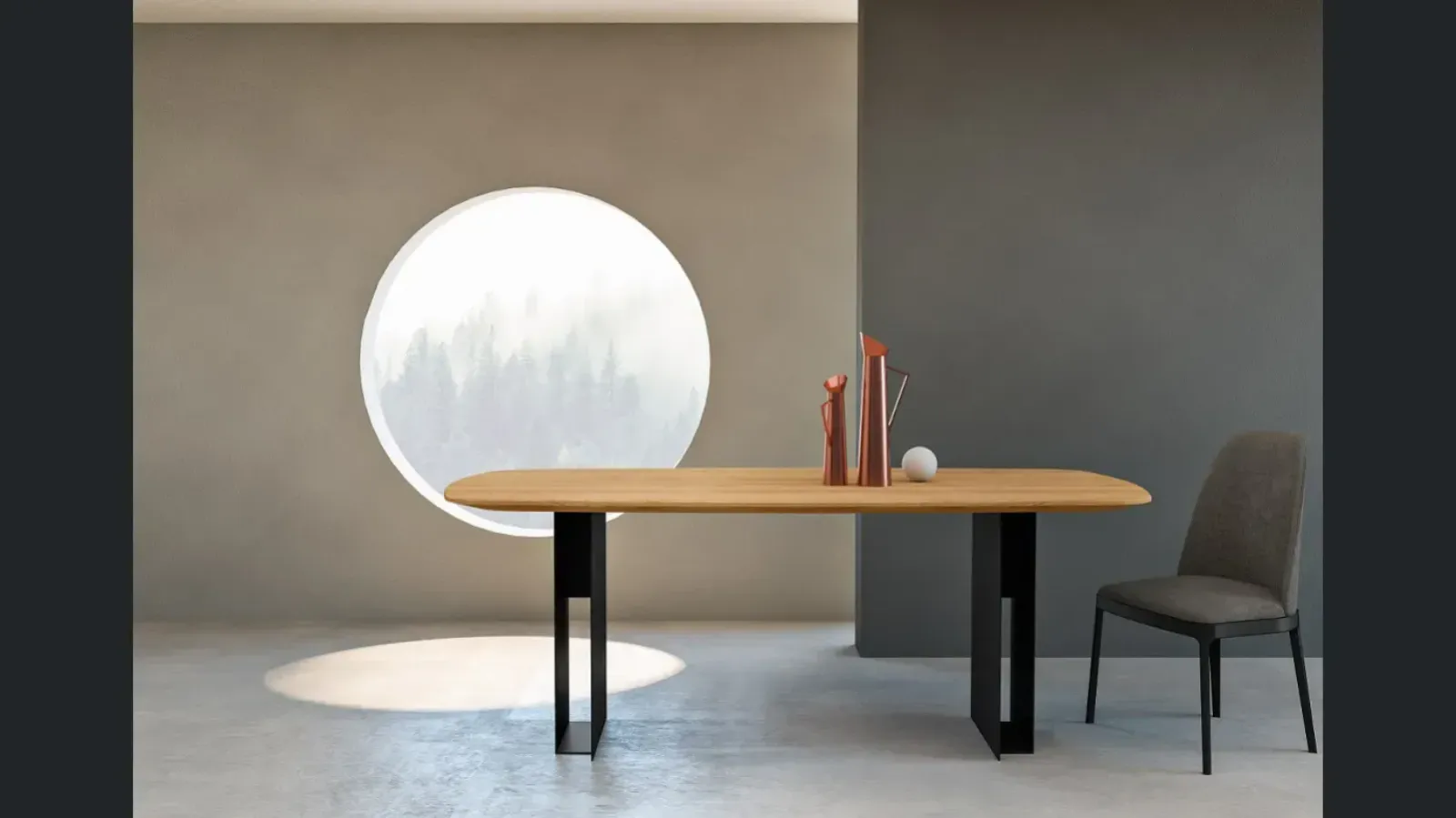
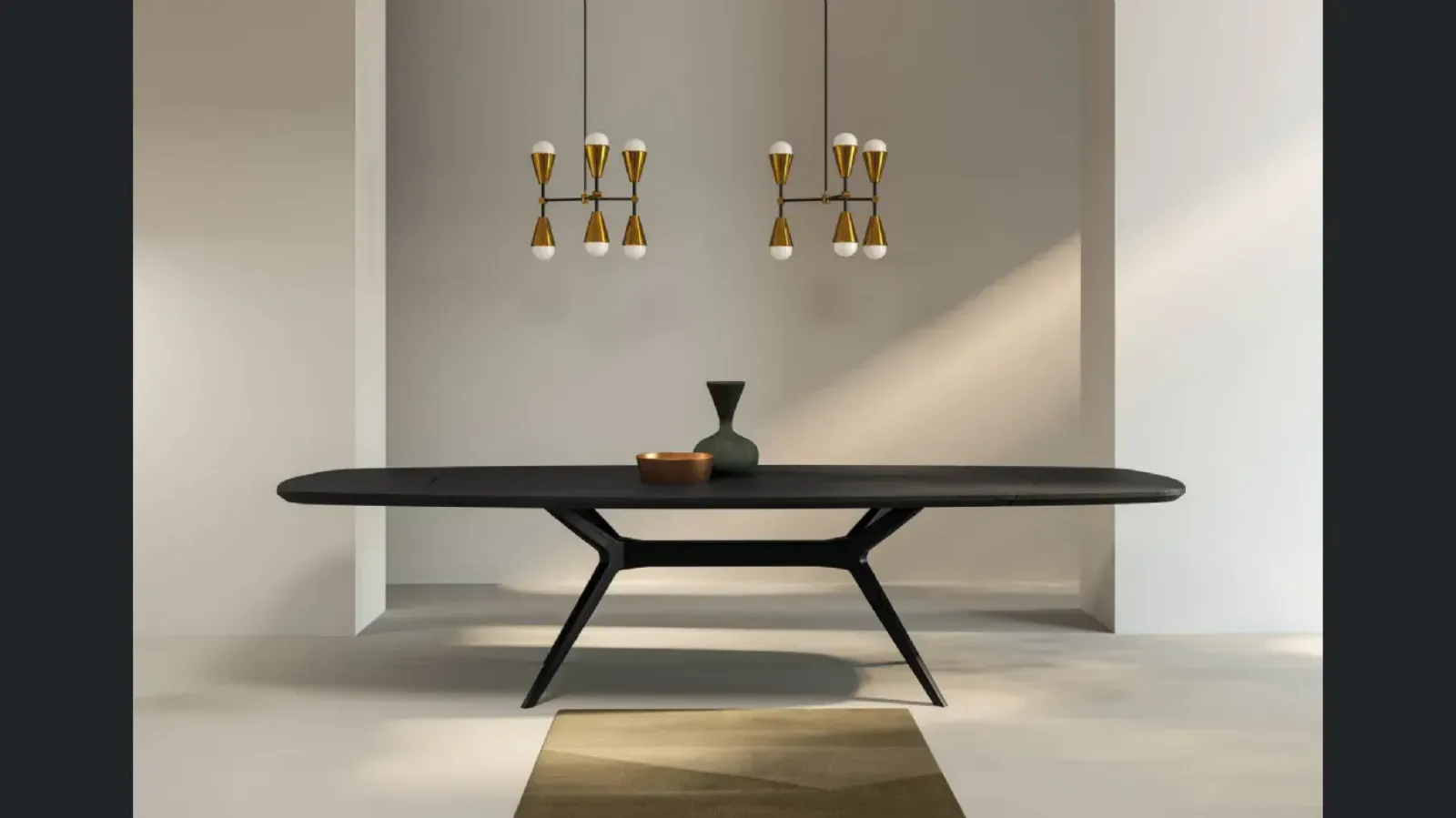
As we have understood in the previous paragraphs, the dining table exists in many shapes and types. We have mentioned the most common ones, but the list could go on. Therefore, it is important to clarify a key concept: shape does not simply touch aesthetics; on the contrary, it influences movement, dynamism, capacity, ergonomics, function, and functionality, as well as the perception of space. So, how can we choose the one that best suits our needs and lifestyle? Here is how to navigate among the main options. Rectangular table: the most common, because... Well, it adapts to virtually every furniture and room, from the smallest to the largest, from the most minimal to the most saturated. The rectangular table is the most popular choice precisely because of its ability to offer countless matching possibilities. Moreover, thanks to the use of side benches, it allows for easy organization of seating, serving as a successful solution for those aspiring to an open space, those aiming for a dedicated area, and those managing a dining room set up lengthwise. Practical, dynamic, and versatile. If in doubt, the rectangular dining table represents a safe haven in every occasion. Round table: perfect for conversations In addition to its innate elegance, the round table is a real game-changer in terms of smooth social dynamics. The guests have the ability to speak to each other without any visual barriers, without obstacles or "sides" that orient the conversation from one side to the other. And no one is at the head of the table! In fact, the round table proves to be even more useful the smaller the space is, as it allows for free movement, avoiding collisions. However, it has a limit: from 8 seats upwards, it can become very, very cumbersome. Square table: the most intimate Compact, balanced, perfect for convivial evenings in small groups: the square table gives rise to intimate interactions among diners and proves to be the ideal solution for rooms with regular shapes. However, while the sense of balance it provides is unique, it is equally true that, in certain spaces, it may clash. Specifically, the square dining table is not very practical in narrow or very long areas, where it runs the risk of disrupting the fluidity of movement. BONUS: the oval table, a mix of advantages Is it possible to combine the advantages of the rectangular table, such as practicality, capacity, and versatility, with those of the round table, namely the absence of edges, barriers, and obstacles? The answer is yes. The oval table is designed for this very purpose. Refined and scenographic, it is a variant that fits perfectly with modern environments. It requires a little more space than the round dining table, but boasts a very comfortable seating in social terms and capacity even for large numbers.
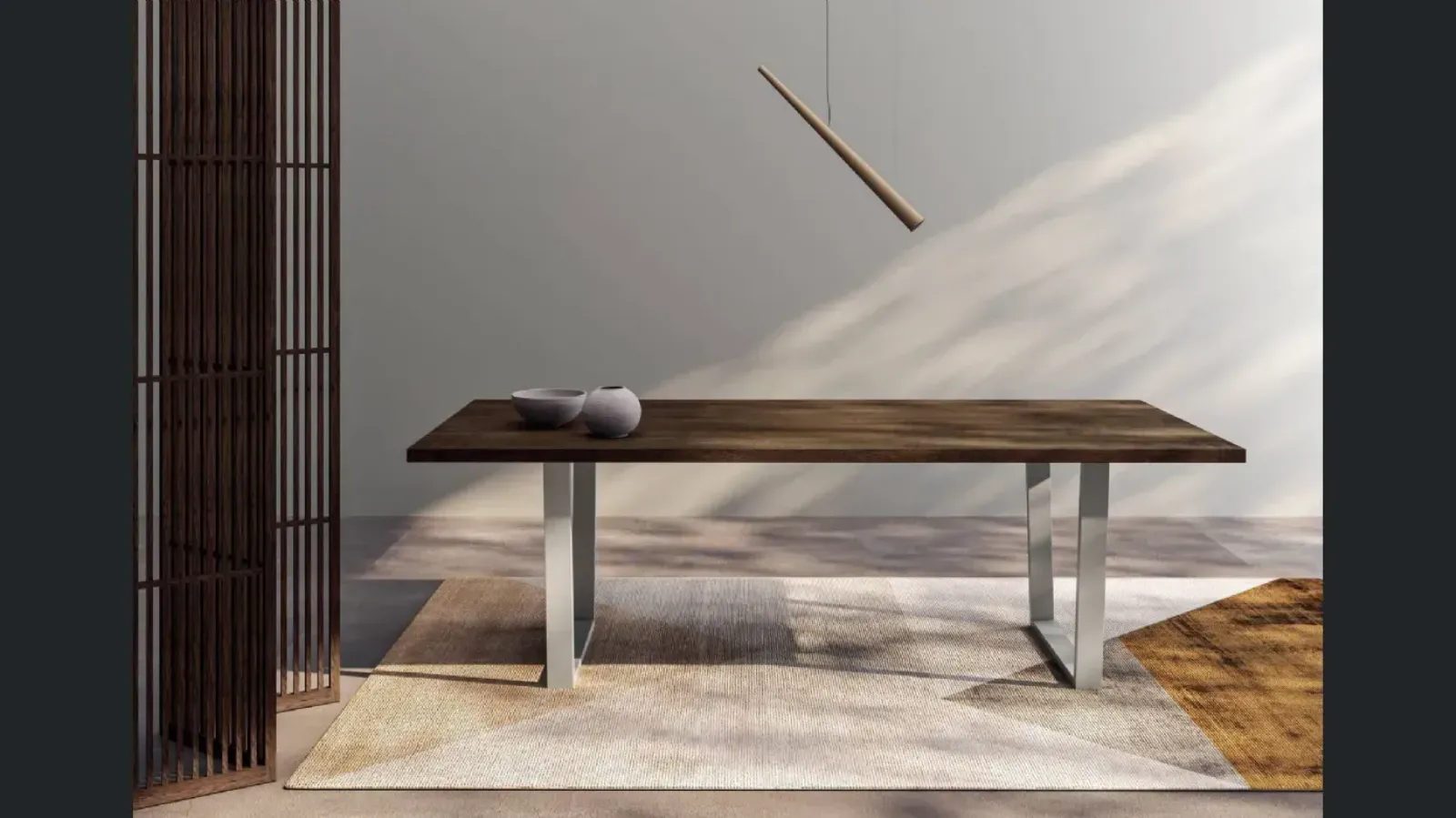
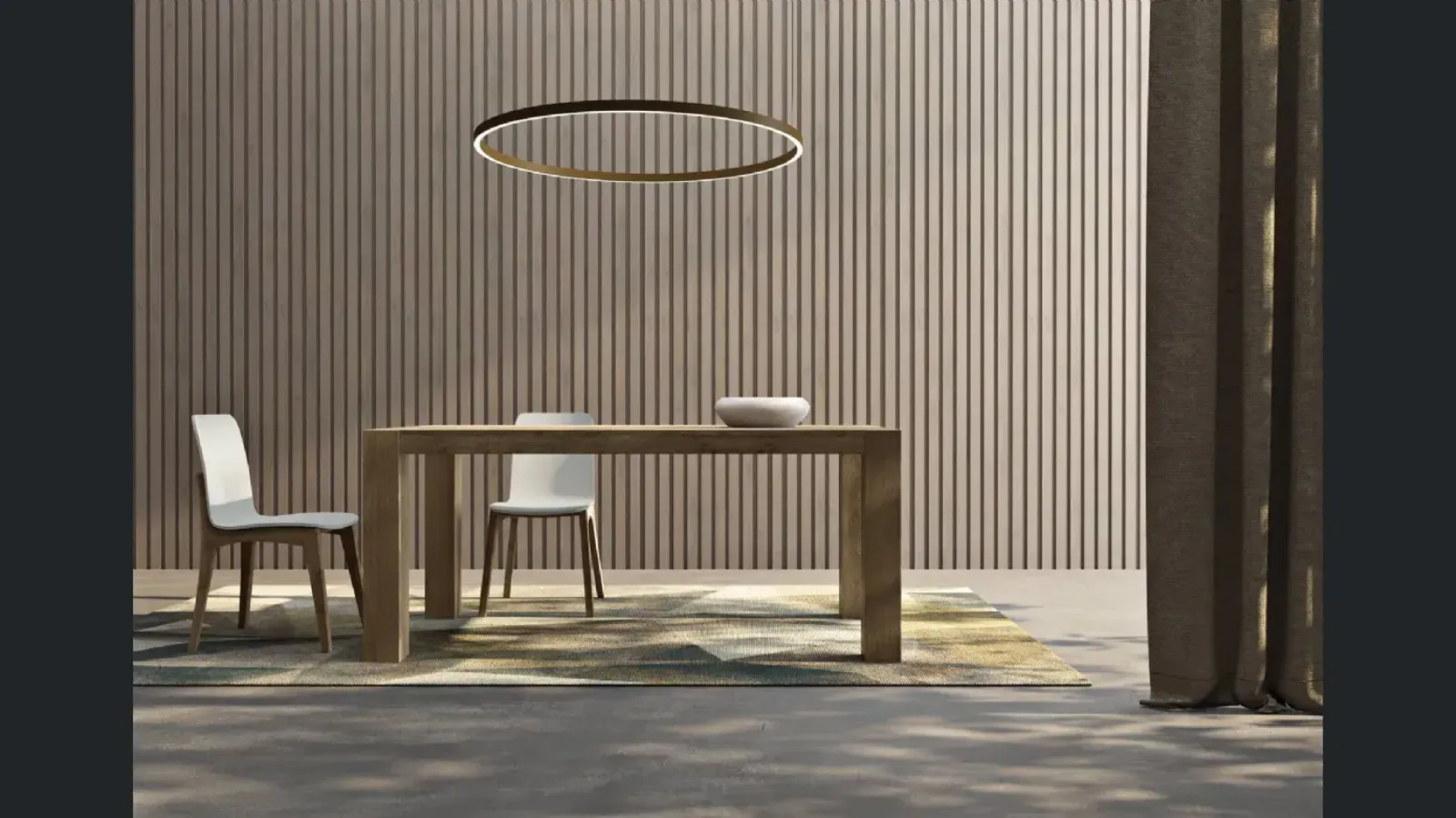
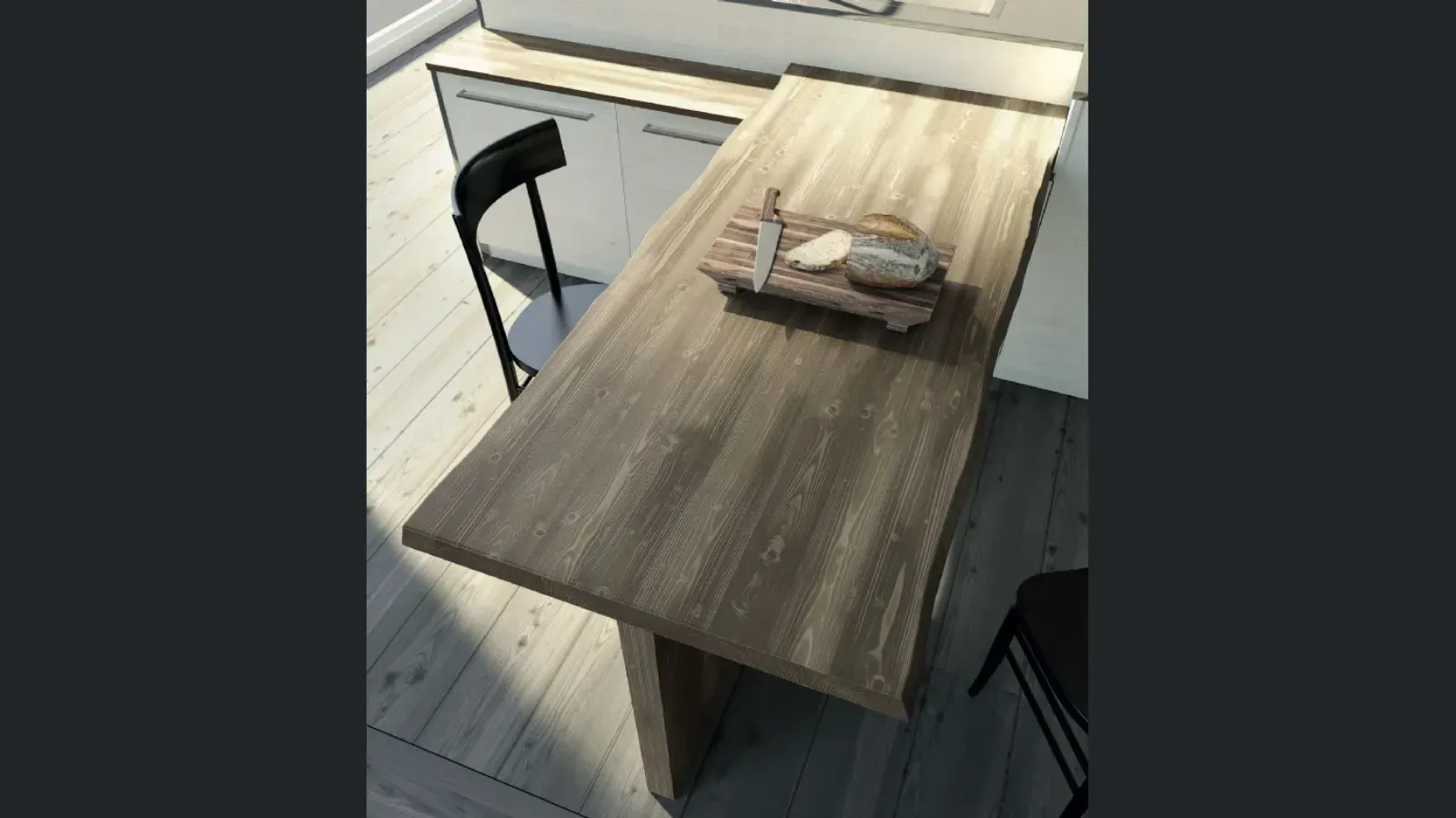
Moving beyond the form, we now come to another crucial point: the material. Yes, because it also has a significantly influential impact in terms of performance - resistance, maintenance, durability - as well as aesthetics. Every material, in fact, communicates a specific style, from modern, industrial, classic, natural, and this requires the need for proper contextualization in terms of furnishing. Let's see them one by one. Glass dining table A glass dining table illuminates the environment and provides visual lightness. This makes it perfect for small spaces, as well as for all those areas or rooms where you want to avoid a sense of closure and heaviness. As for cons, however, it is worth noting that it requires more maintenance compared to other materials. Fingerprints and smudges are common, but the main "issue" concerns the structure, which, to avoid vibrations, must be generally very solid and consistent. Wooden dining table There's no competition: wood is and remains the warmest and most welcoming material ever. A solid wood dining table has strong resistance: it is solid, durable, and customizable in detail with colors and finishes. It also boasts a timeless charm suitable for any style, modern, rustic, or classic. As for cons, we mention the care: it requires a little, it's true, especially with specific oils and treatments. However, it is undoubtedly the material that remains beautiful for a longer period of time. Metal dining table Perhaps not one of the most common choices, but certainly characterized by great charm, the metal dining table has an industrial look in line with the style of modern lofts and contemporary environments. It is resistant and easy to clean, but much of its appeal is due to the use and function. If used as a support surface, it can feel cold to the touch and noisy. And, depending on placement, environment, and consistency, it may be subject to rust. Marble dining table Elegant, dramatic, heat-resistant: this is the best way to define the marble dining table. Each slab is unique, making it a true design element. But here too we find a downside: marble tends to stain if not treated correctly and has a considerable weight; therefore, it requires maintenance, careful attention, and, above all, very solid bases! Modern dining table According to specific characteristics and combinations, the above-mentioned materials can give life to the so-called "modern" style. The modern dining table is recognized by clean lines, neutral colors, and materials such as metal, glass, or light wood. Integrating seamlessly into minimal and open space environments, it seeks the ideal of visual lightness combined with maximum practicality. Classic dining table On the opposite side, the classic dining table evokes a timeless style, characterized by harmonious shapes, curves, warm woods, and more refined craftsmanship. Its preferred and ideal context of use are elegant homes, traditional environments - indeed, "classic" - and charming, rich, and "full" dining areas. Design dining table Lastly, but certainly not least, we have the design dining table. Here the story changes slightly, as what reigns supreme are nothing but creativity and originality. Sculptural shapes, innovative materials, unique bases, apparent lack of balance: the design dining table is the star of the room, a unique piece capable of defining the entire environment independently.
We have already said it, but we want to reiterate it: the choice of the dining table cannot ignore the surrounding furniture. Colors, materials, and proportions must interact with the living room, chairs, upholstery, textiles, and even the lighting, in order to create an environment that can be truly and fully harmonious, functional, and welcoming. Therefore, pay attention to the context! Dining table, chairs, tablecloths, and cushions Let's start with the basics: chairs, cushions, tablecloths, upholstered furniture, and various textiles. First of all, it is important that the table and chairs are compatible in height and style. No, it's not so obvious! In ergonomic terms, padded seats are certainly more comfortable, but wood or metal seats, on their own, offer a cleaner, more attractive, and modern look. If you aim to create a warm and personal environment, remember that tablecloths and cushions are essential details in defining atmosphere and colors. How to manage lighting in the dining room Light makes a difference. Good lighting not only promotes concentration, essential in the case of a table used as a work surface, but also optimal comfort, avoiding visual fatigue and enhancing food and environment. The best solution is a pendant lamp, positioned above the table, about 60-75 cm from the surface, emitting a soft warm light, not too strong, useful for creating a pleasant and glare-free atmosphere - for you, as well as for guests. Extendable dining table: is it really worth it? Many talk about the extendable dining table as a consistently effective and efficient ergonomic solution. But is it really? The answer depends on you, that is, on your lifestyle and the intended use of the table. More specifically, the extendable dining table is a valid option if you often host friends or relatives and at the same time, do not want to give up space in your daily life. Thanks to modern technologies, many extendable solutions are stable and manageable, easy to open or close, making them a strategic choice in small spaces as well as in open spaces where maximum flexibility is sought.
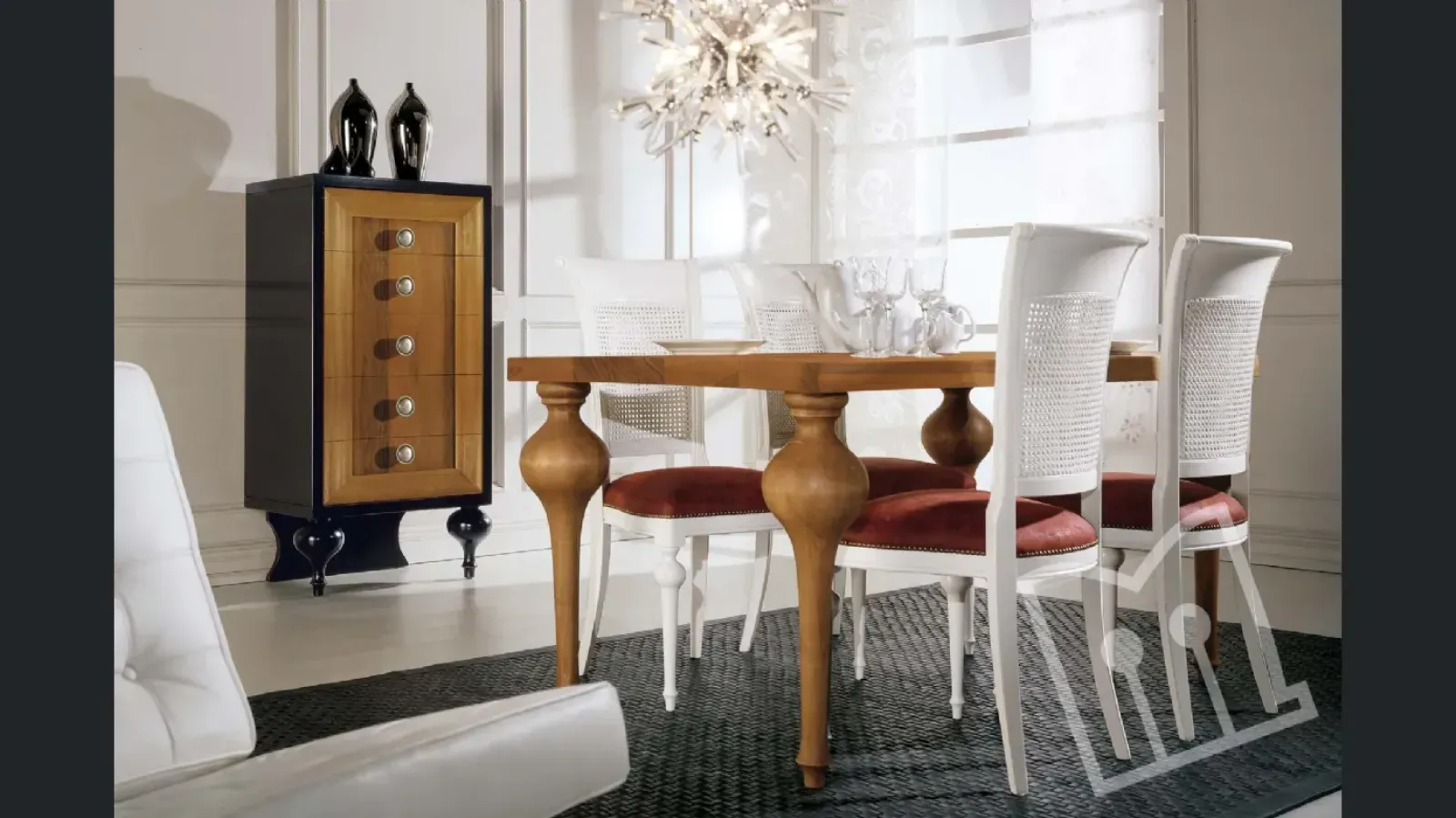
We bet that when you read the title, you instinctively thought of a rectangular dining table, maybe made of wood, and its length. And at the same time, you didn't even consider the width and position of the legs. Are we right? If the answer is yes, don't worry: it's completely normal! But we're here to tell you that, especially when you have guests, these two attributes are essential. Just think about the type of leg alone: it can significantly affect the maximum number of seats! Our advice, therefore, is to try out the dining table before purchasing it: - Sit in different spots and check if and when your legs hit its legs; - Pull up a chair and make sure your knees have enough space; - Finally, try crossing your legs. In general, a table with thinner legs placed at the corners makes it easier to add a chair but makes extension more complicated. Otherwise, it might collapse halfway. A table with a trestle or pedestal base can accommodate more diners but requires more attention to size, as it is less stable. Finally, a table with a trestle base can provide flexibility along the long sides but may limit space at the ends. Sometimes, there isn't enough knee room. In conclusion, you may have realized that the position of the legs greatly affects the actual number of available seats. Therefore, before making a purchase, make sure to check for any potential obstructions!
The choice of the perfect dining table is more complicated than it seems. It means balancing aesthetics, proportions, and functionality, but also contextualizing shape, dimensions, material, and style with the environment in which you will place it, and, together, your personality, your taste. Starting from your real needs and your actual needs, carefully evaluating the available space and knowing the advantages and limitations of each option will allow you to identify the best table, the one capable of enhancing your home and accompanying you for many, many years. Do you already have any idea of which dining table could reflect your personality or are you still in the dark? Contact us now for a free consultation and let's choose together the best solution for your living!