Home - Company - News - Differenza tra madia e credenza: quale scegliere e perch

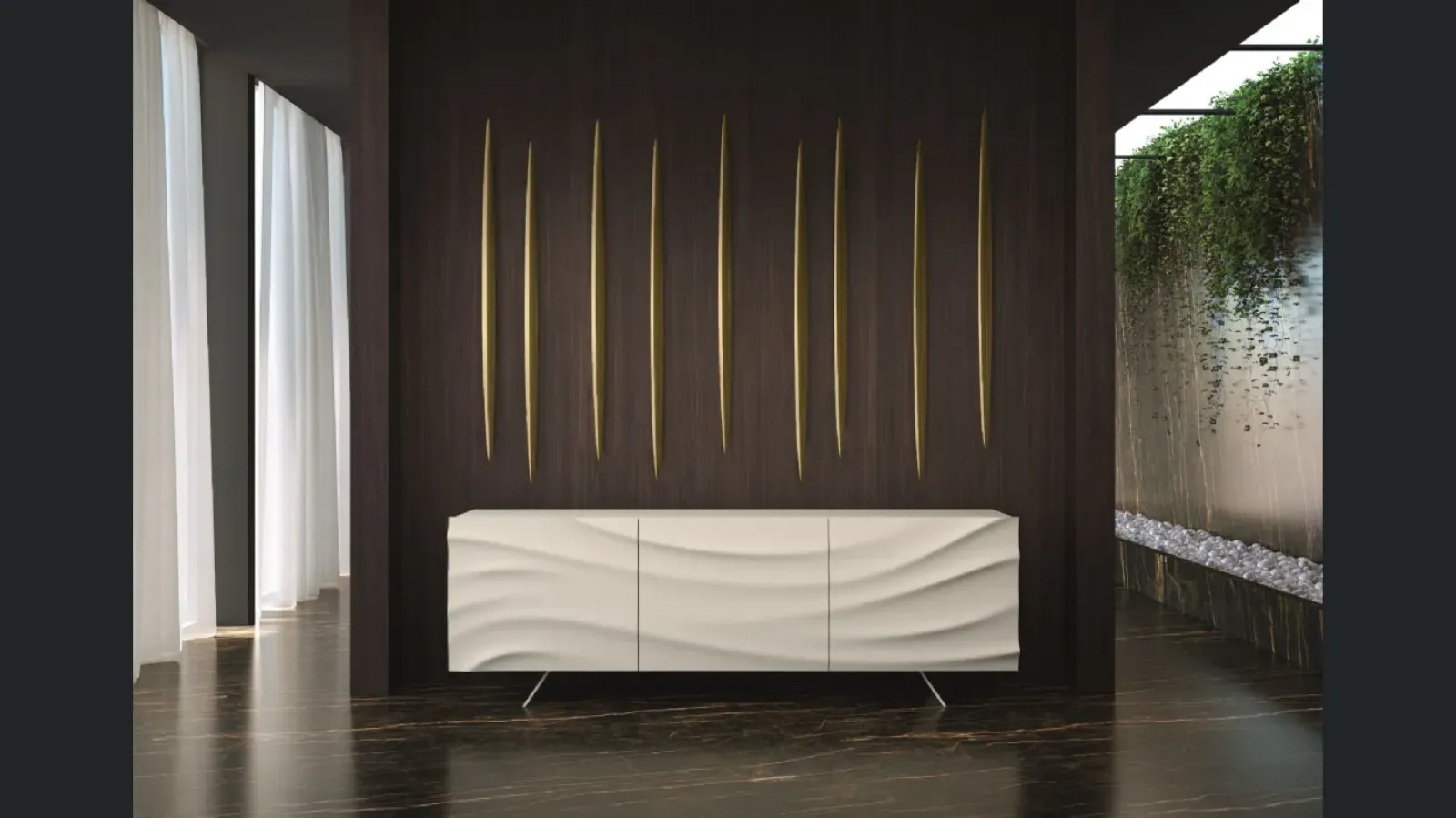
In everyday language, the terms "madia" (sideboard) and "credenza" (buffet) are often used interchangeably. It’s undeniable that they share similar characteristics: both refer to **storage furniture** primarily used in living areas and dining rooms. However, there are **substantial and precise differences** between the two, stemming not only from their history and style but also from their **function**—that is, the role each plays in daily life within the living space. Understanding their features and variations is therefore useful in two key ways: on the one hand, for speaking accurately about furniture; on the other, and more importantly, for choosing **the solution best suited to your home**. Consider this: while a modern madia can become the **aesthetic focal point of a contemporary living room**, a credenza might be preferred for its **practicality and storage capacity**, possibly evoking a traditional taste that remains widespread and appreciated. In today’s article, we’ll thoroughly explore **the history of madie and credenze** and examine their main **differences**, aiming to provide you with **top recommendations**—as well as some ideas—for incorporating them into a contemporary home furnishing scheme. Enjoy the read!
The madia, in itself, represents a storage cabinet, traditionally low and wide, originally designed with a function quite different from its current use.
Today, as an elegant and multifunctional furnishing element, it is mainly used in living rooms, dining rooms, or open-plan spaces. But it hasn’t always been used this way.
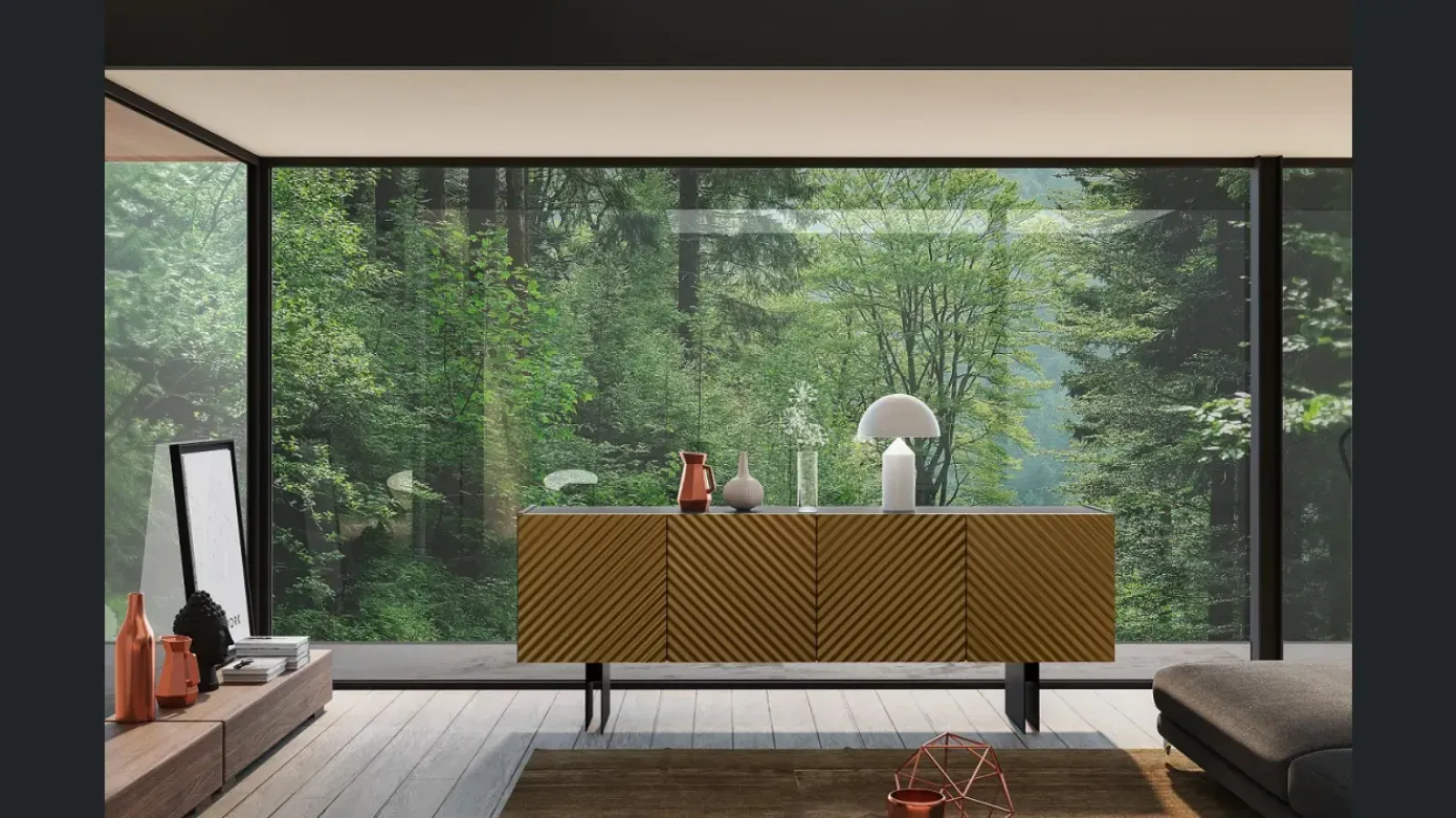
Modern madie typically feature distinctive elements such as hinged doors, drawers, open compartments, and internal shelves, available in both floor-standing and wall-mounted configurations. Moreover, from a purely aesthetic standpoint, they are characterized by sleek, contemporary lines, especially in designer models.
Not surprisingly, madie have become one of the most sought-after furniture solutions in recent years.
Going back in time, we quickly notice that the madia was never originally designed as living room furniture. On the contrary, it was a typical feature of farmhouses and rustic kitchens, primarily used for kneading flour and storing bread.
The earliest madie, built almost exclusively from solid wood, featured a sturdy structure, substantial dimensions, large internal compartments, and a hinged top lid. Their main purpose revolved around household life, and in Italian countryside homes, the madia served essentially as a surface for preparing and storing homemade bread.
Over time, however, practical use gave way to a primarily aesthetic and decorative role.
Today, the madia is an extremely versatile piece of furniture, no longer used for food preparation or storage, but rather for organizing and enhancing domestic spaces.
Its various functions include:
The result? In terms of popularity, the modern madia is one of the most beloved furniture pieces, largely due to its ability to combine great storage capacity with the clean, elegant design characteristic of contemporary style—all while maintaining a relatively compact footprint.
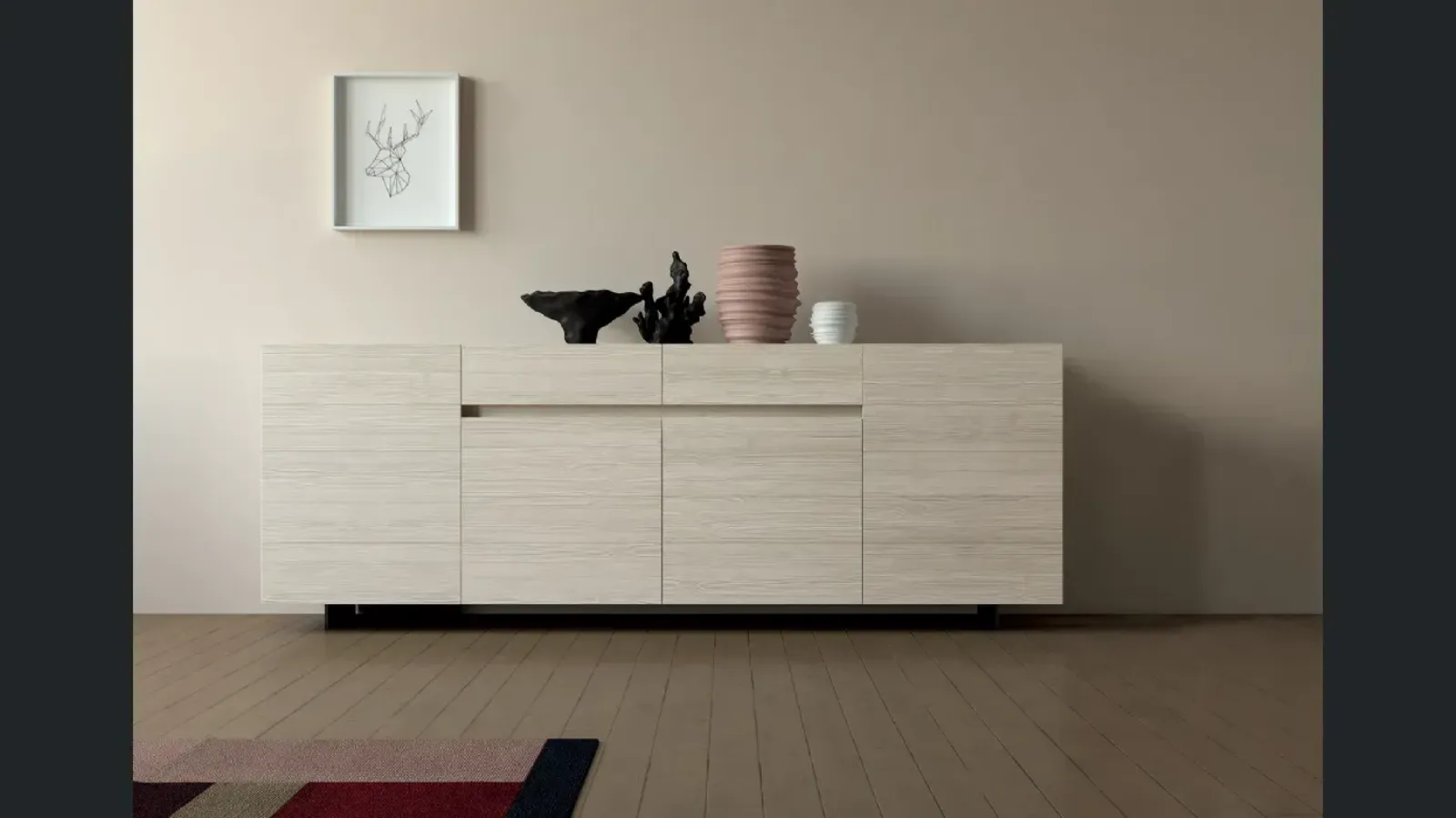
Thanks to the evolution of design, madie are now available in a wide variety of styles, ranging from minimalist and industrial to Nordic, classic, and highly ornate models.
```html
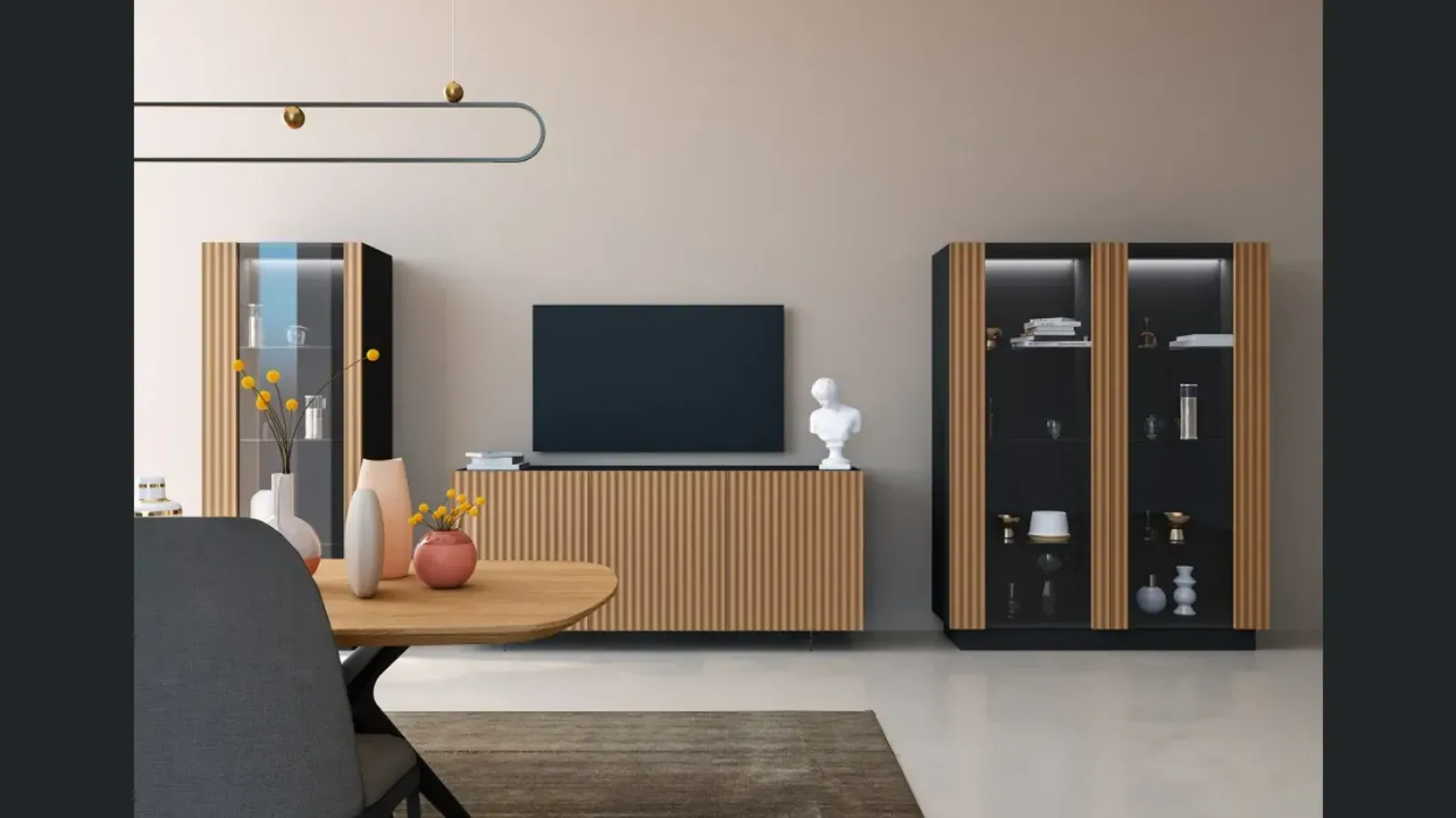
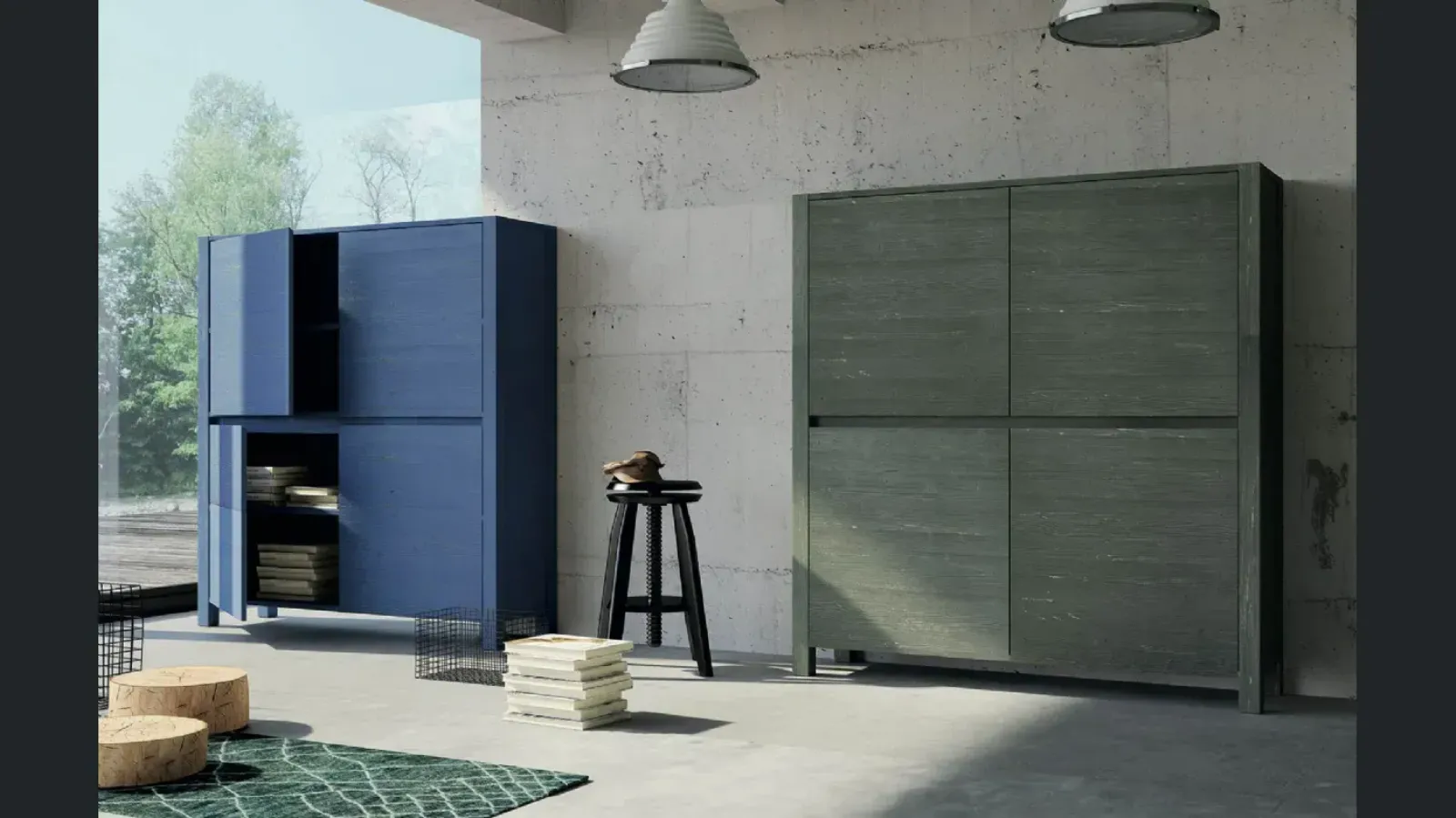
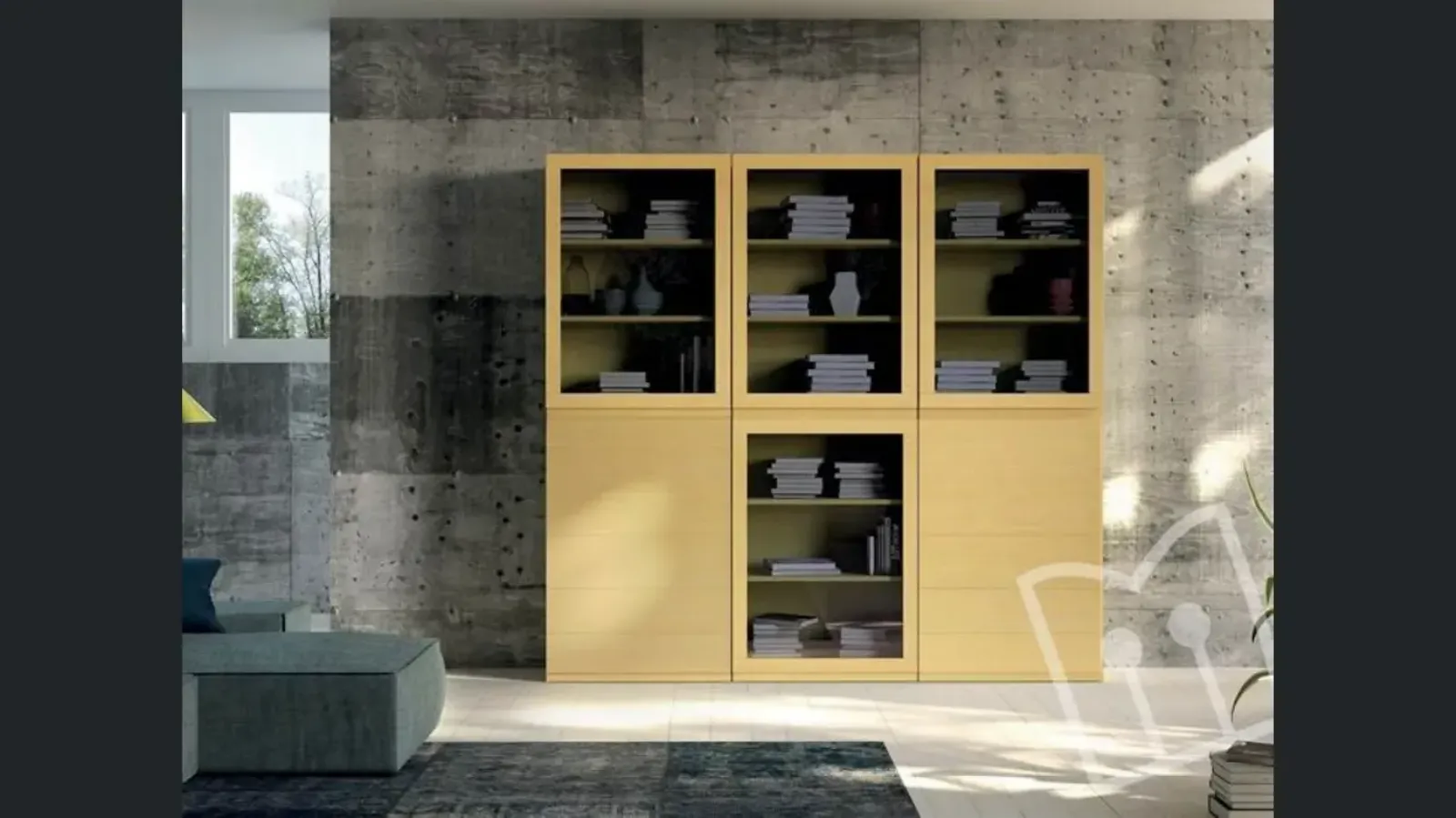
The sideboard is always a storage cabinet, traditionally associated with the dining room. Compared to the madia (a simpler, lower cabinet), it boasts slightly more noble origins, historically linked not so much to food preparation and storage but rather to its service and the related tableware.
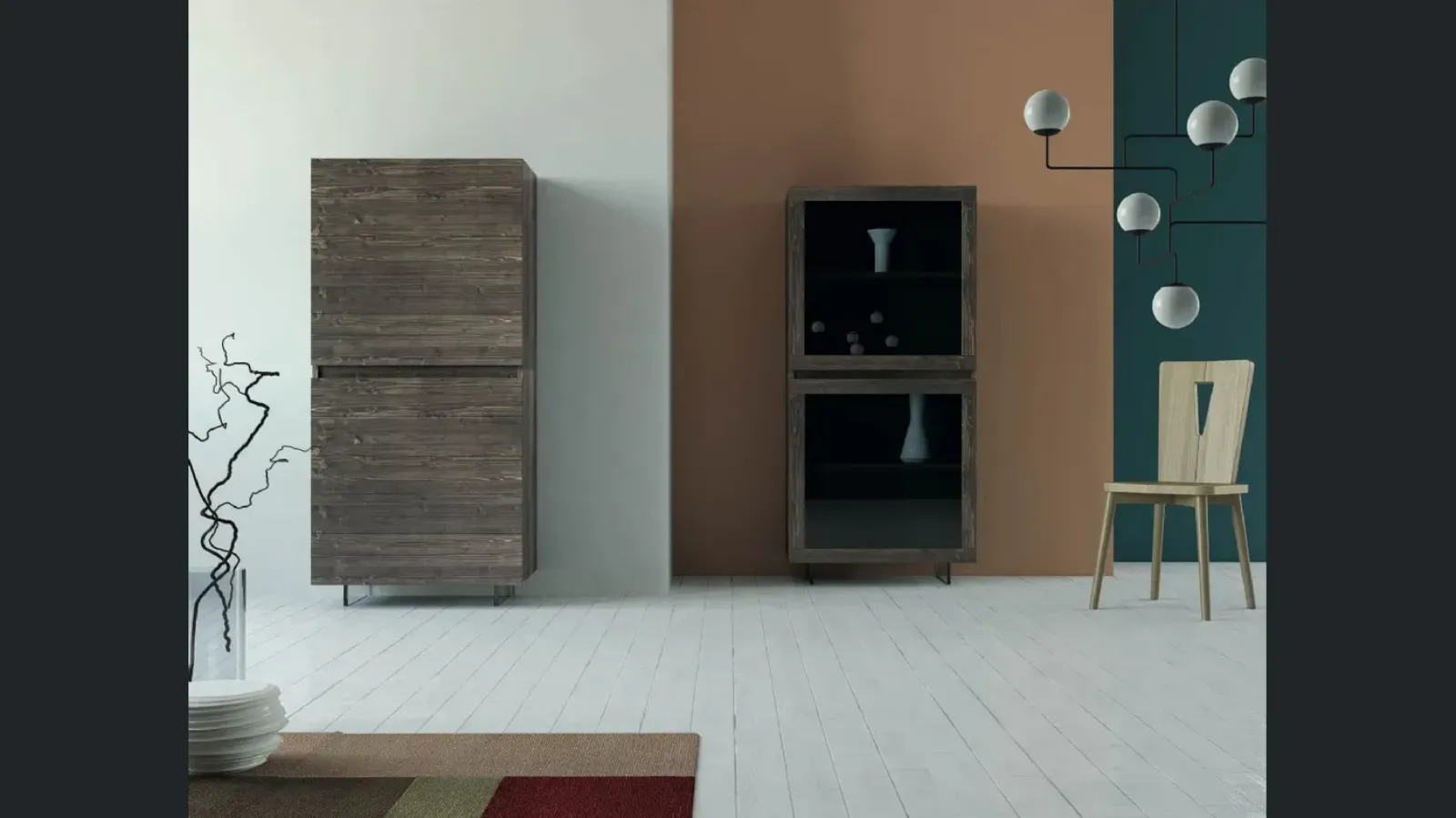
The classic sideboard structure features a closed lower section, an upper section often equipped with a glass display cabinet, and very spacious internal shelves. In its most traditional version, the sideboard is larger and more imposing, and for many years it was considered one of the signature furniture pieces in Italian family homes, symbolizing domestic life.
The term "sideboard" derives from a very peculiar and curious medieval practice. In noble courts, it was common for the lord to appoint a servant to taste the food and drinks before they were served, in order to verify their safety. This practice was known as "to make the sideboard." Over time, the term came to refer specifically to the furniture used to store tableware, silverware, and food intended for banquets.
In the 20th century, the sideboard became the centerpiece of Italian dining rooms: it was large, sturdy, very capacious, typically made of solid wood and often decorated. But what about today?
Just like the madia, the sideboard has evolved: its lines are lighter, its dimensions more compact, and its materials more varied and contemporary. Nevertheless, its essential character remains closely tied to classic and traditional furnishings rather than modern design.
Returning to the main topic of our article, we ask ourselves: what, then, is the difference between a madia and a credenza?
As we have seen, the difference lies mainly in their origin, function, structure, and, nowadays, the value they take on when placed within a furnishing context—in other words, in terms of style.
The modern madia tends to be:
The credenza, on the other hand, is generally:
Going a step further, we notice an additional distinction in terms of perception, that is, the nuance of meaning that the two terms take on in the collective imagination. Today, the term “madia” is often associated with a modern, trendy design piece of furniture, while “credenza” tends to evoke a more classic and familiar image.
Of course, it is important to emphasize that the boundary between the two terms is becoming increasingly subtle, so much so that many companies have already started using them almost interchangeably, particularly in the contemporary furniture sector.
Often, next to "madia" and "credenza," the term "buffet" also appears. What is it?
Basically, the buffet is a piece of storage furniture of French origin, generally low and horizontally developed. Considering its basic characteristics, it closely resembles a modern madia; nevertheless, it is mostly considered a sideboard.
The difference is primarily cultural: while the madia has Italian popular origins and the sideboard is associated with traditional dining service, the buffet is linked to the history across the Alps.
However, as mentioned earlier, the terminology boundaries between these three types are gradually becoming less distinct, resulting in increasingly less rigid definitions.
We’ve already learned two very interesting facts about sideboards and buffets.
The first is that the sideboard, originally, was not at all a piece of furniture for the living room or kitchen: it was created for making bread!
The second is that... well, there is no strictly universal definition: many manufacturers call a “sideboard” a piece of furniture that others would instead define as a “buffet.” And who’s right? Both: in fact, we could consider it a functional evolution of the same basic piece of furniture.
However, there are three more curiosities you might not know about. Here they are!
In the past, displaying sets of plates, glasses, and silverware was not common practice, but rather a way to showcase one’s social status. Yes, the buffet represented a genuine symbol of prosperity: owning one and using it to display one’s “good service” allowed the gentleman and lady to effectively communicate their belonging to a middle- to upper-middle class—or at least, not too low.
Over the last 20–25 years, the contemporary furniture market has brought the sideboard back into the spotlight of interior design trends. Since around 2010, thanks to designers and furniture brands, this piece has become the protagonist of a remarkable resurgence, transforming into a versatile solution suitable for various domestic spaces.
Thanks to their ability to visually lighten spaces and make rooms feel larger, wall-mounted sideboards, according to the latest trends, are clearly winning over floor-standing models. This trend, along with the growing appreciation for other so-called “space-saving” furniture solutions, is particularly driven by the pursuit of a blend between functionality and aesthetics, which is characteristic of the most modern design styles.
Given the historical, cultural, stylistic, and aesthetic similarities, choosing between a sideboard (credenza) and a hutch/credenza (madia) is not always an obvious decision. The criteria to determine which piece best suits your home and lifestyle revolve around **four essential pillars**: - The style of your home; - Available space; - Storage needs; - The main function of the furniture piece.
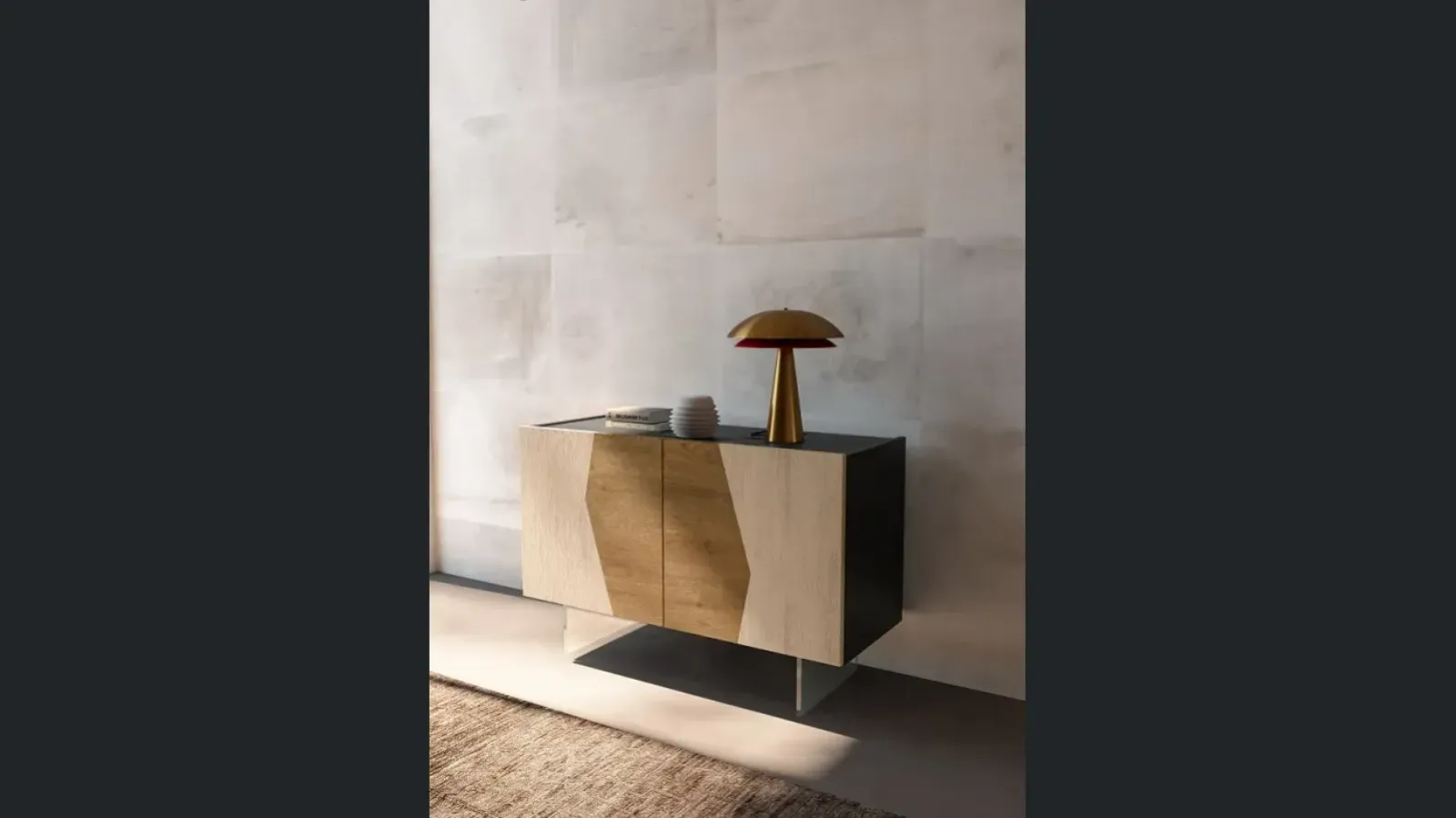
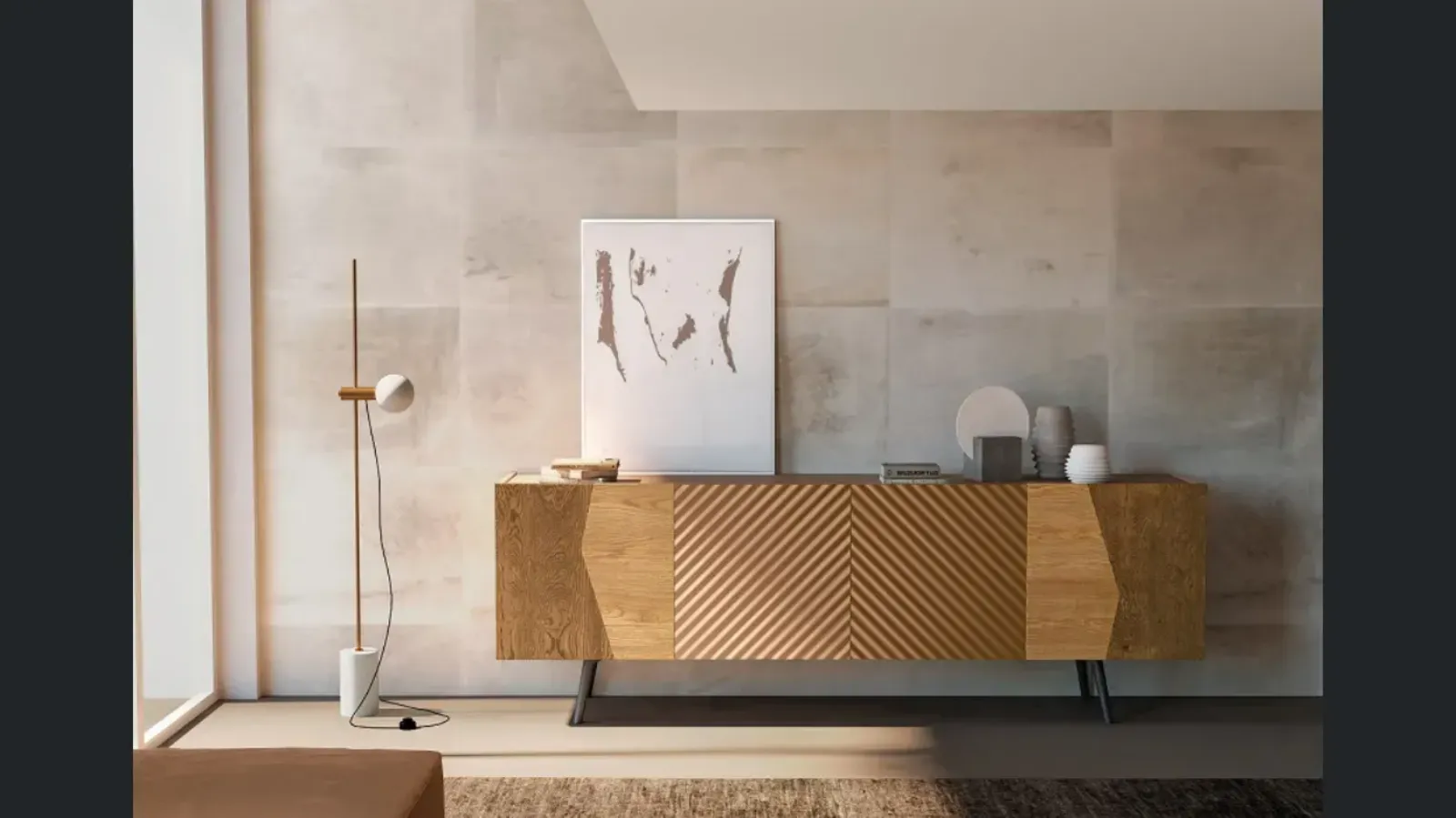
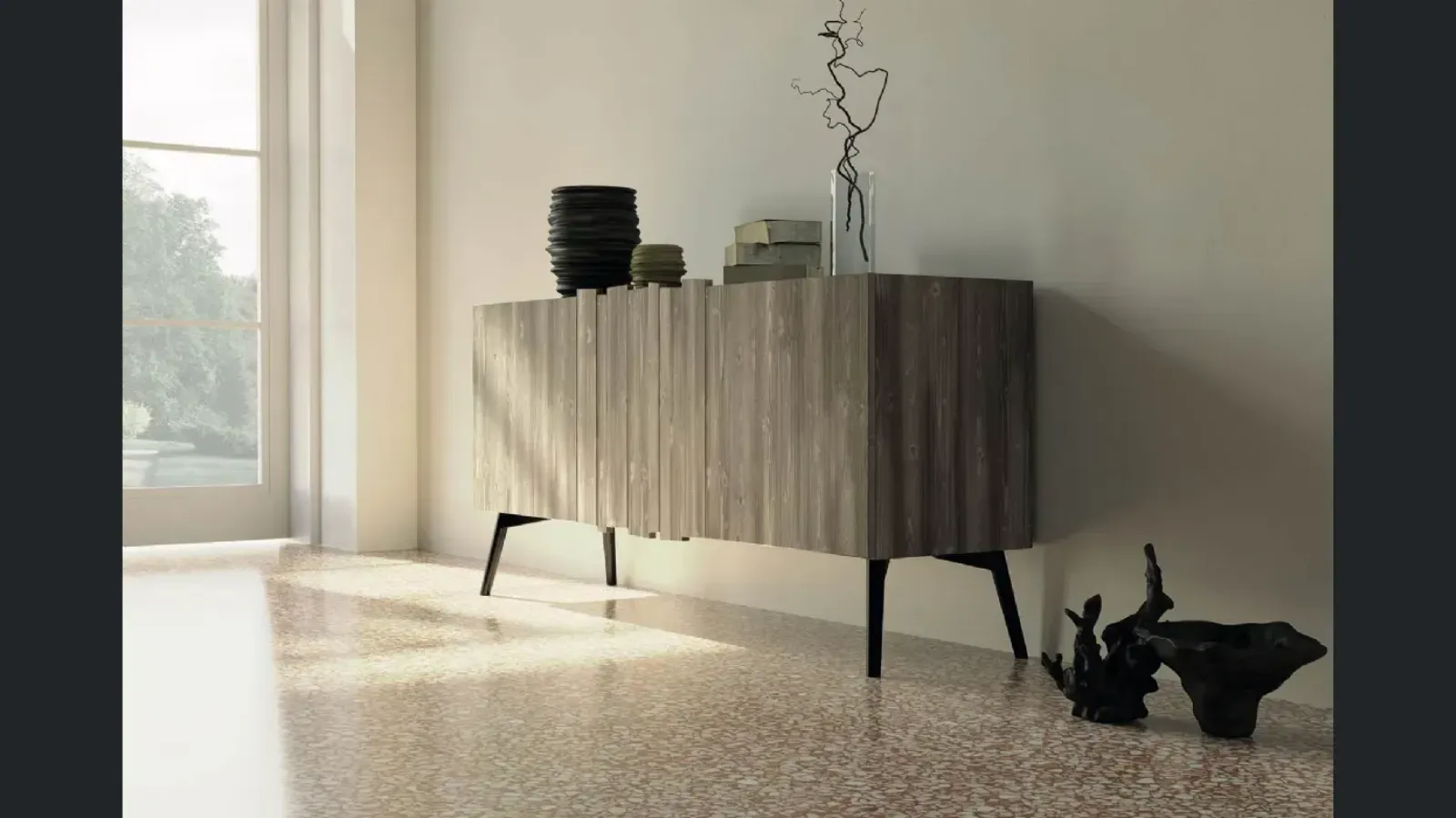
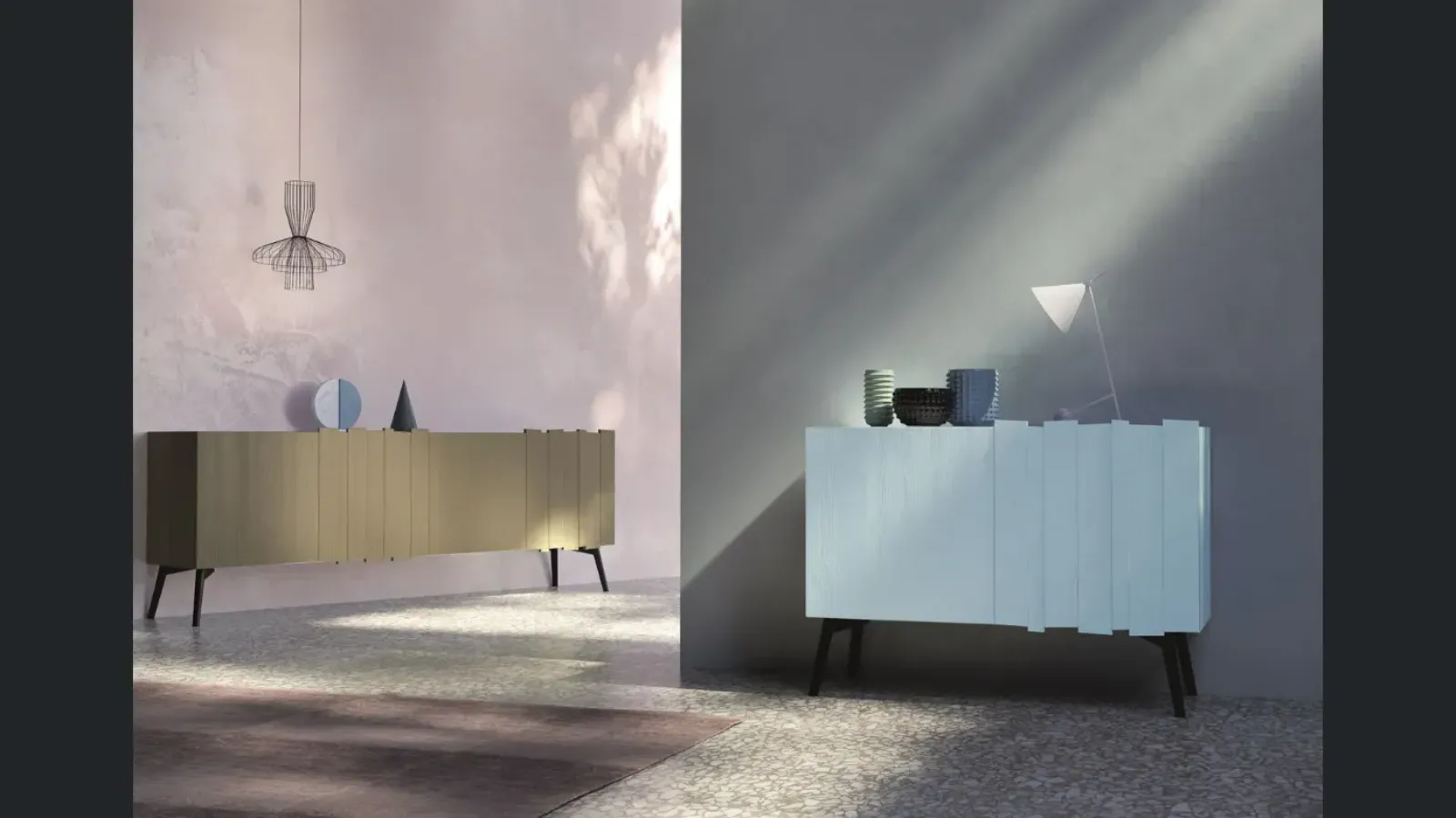
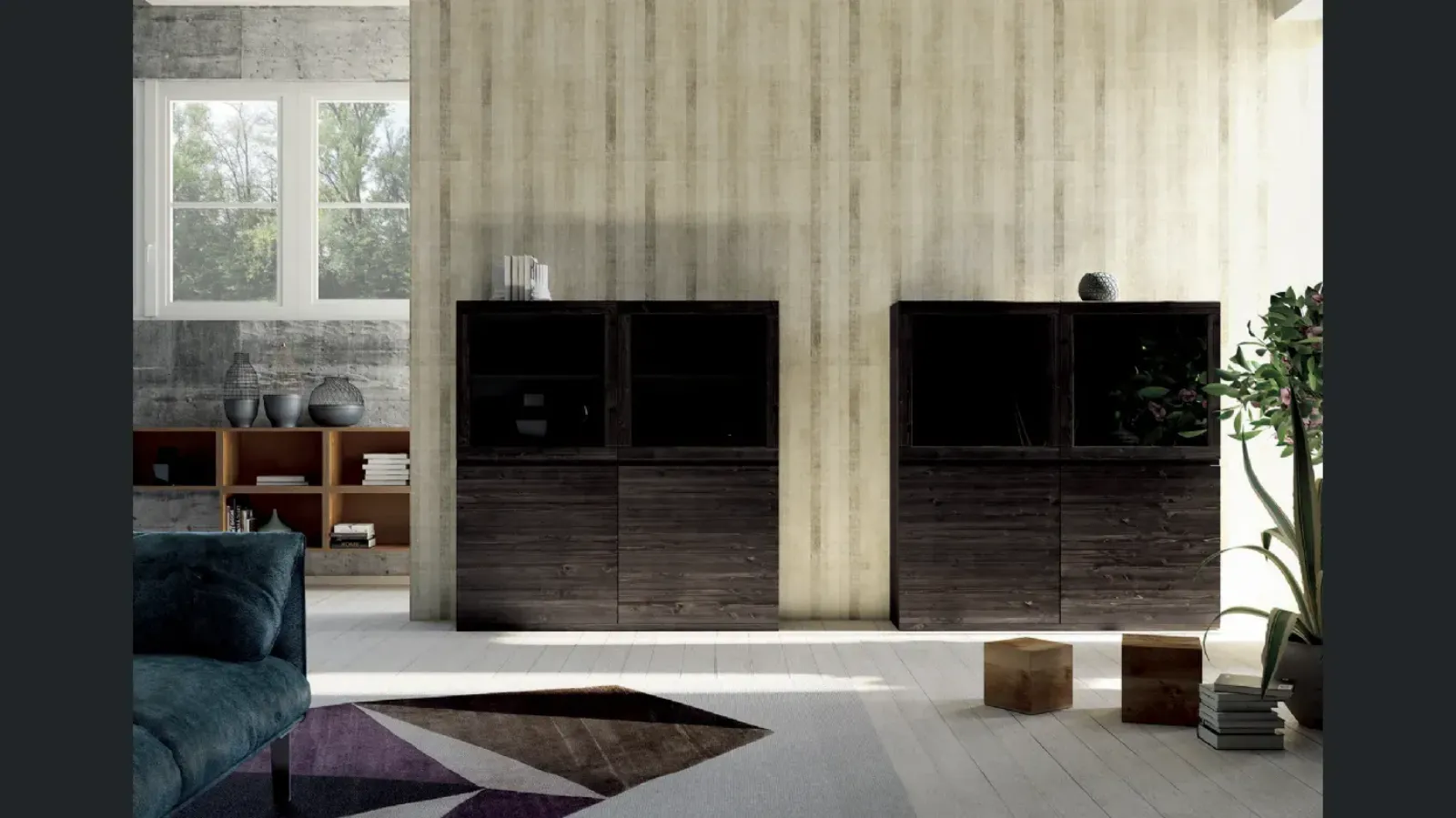
One of the most interesting features of sideboards and buffets is **the great variety of available sizes**, mostly non-standard, and often produced through custom manufacturing. Indeed, there are **small sideboards and buffets**, suitable for entryways and hallways, but also **larger, more substantial** versions, designed especially for spacious dining rooms or various types of living rooms. There are also **wall-mounted or floor-standing versions**, **narrow models** arranged in a **vertical layout**, and **space-saving** options. And of course, **modular** designs are indispensable. The most common dimensions range **from 140 to 240 cm in width**, **45 to 55 cm in depth**, and **approximately 79 to 90 cm in height**. In general, however, buffets tend to have considerably larger and more imposing dimensions.
When it comes to matching furniture, one of the most effective combinations involves coordinating the storage unit—namely the credenza or buffet cabinet—with the dining table.
By the way: Are you unsure about which dining table to choose for your dining room? Why not take a look at our guide? It could be very useful!
Today's most popular and trending combinations include:
The most important thing—and we are happy to emphasize this—is avoiding a showroom-like appearance. In short, allow your home, regardless of "perfect matches," to resemble you and truly reflect your personality. Maintaining stylistic consistency is more than sufficient, as long as it does not create overly rigid environments!
In very large open spaces, it is not uncommon to see two separate but matching buffet cabinets placed side by side on the same wall. This is a particularly intriguing and interesting solution, especially when the space is spacious, the wall is long, and there is a need for greater storage capacity, while simultaneously seeking balance and symmetry.
However, this approach is not always recommended: in small, confined rooms or those with walls that are not particularly wide, it can appear heavy and instead create a sense of oppression.
Regarding materials, solid wood and natural oak continue to stand out as the most requested options. At Fratelli Mirandola and UnikaWood, for example, we focus specifically on pine and oak lines, alongside some unique and special pieces. If you haven't seen them yet, come and visit us!
In addition to the two classic choices—solid wood and oak—there is also strong demand for walnut, as well as materials that break away from tradition, such as smoked glass, painted metal, and porcelain stoneware.
As for colors, the prevailing trends are predominantly beige and dove grey, along with anthracite and matte black. Another highly sought-after shade is warm wood tones, followed slightly behind by sage green.
Regardless of variety, statistics speak clearly: wood continues to play the role of the undisputed main character.
Let's start by saying that the goal—and thus the general rule—is to create visual balance without overloading.
Often, attention focuses solely on the furniture itself, somewhat neglecting "its head," meaning the wall above it. But the truth is that what is placed above the buffet cabinet or sideboard is essential for completing the furnishing and achieving its overall aesthetic impact.
The most effective solutions include large mirrors, pictures—especially abstract ones, in modern settings—table lamps, decorative vases, flower arrangements, or contemporary-style wall sconces.
It is undeniable that, in recent years, the sideboard has achieved great popularity, primarily thanks to a new concept of contemporary design and the introduction of modern open spaces that are increasingly minimalist. Nevertheless, absolutely asserting that the hutch is “outdated” is completely misplaced.
Yes, because today, despite what some may say, the two types of furniture coexist harmoniously: while the sideboard dominates in modern settings, the hutch remains as a top-tier option in more classic or elegant homes.
And that’s not all: many contemporary collections, drawing on their historical and functional similarities, even manage to blend their characteristics, creating a versatile piece of furniture with clean lines, ample storage capacity, and refined materials combined with more traditional, artisanal details.
Therefore, rather than speaking of a replacement, we might better talk about an evolution: the emergence of a new type of storage furniture that, balancing aesthetics and practicality, adopts and integrates the best qualities of both.
Understanding the difference between a madia (sideboard) and a credenza (credenza/china cabinet) means knowing not only the history of these two pieces of furniture, but the very evolution of domestic living over time. Where the credenza represents tradition, conviviality, and the classic dining room, the madia embodies contemporary taste with greater lightness and versatility.
Today, both solutions can take center stage in home furnishings, depending on a choice influenced by practical needs, the style of your home, and, last but not least, the atmosphere you wish to create.
Whether you prefer a substantial solid wood credenza or a modern, minimally designed madia, what truly matters is finding the right balance between aesthetics, functionality, and the personality of the space.
And you? Have you already chosen between a madia and a credenza, or are you still undecided about which solution best suits your needs? If you need assistance, contact us and let’s discuss it together—no obligation! We look forward to welcoming you at Fratelli Mirandola and UnikaWood.